[Industry Focus]
[Insights]
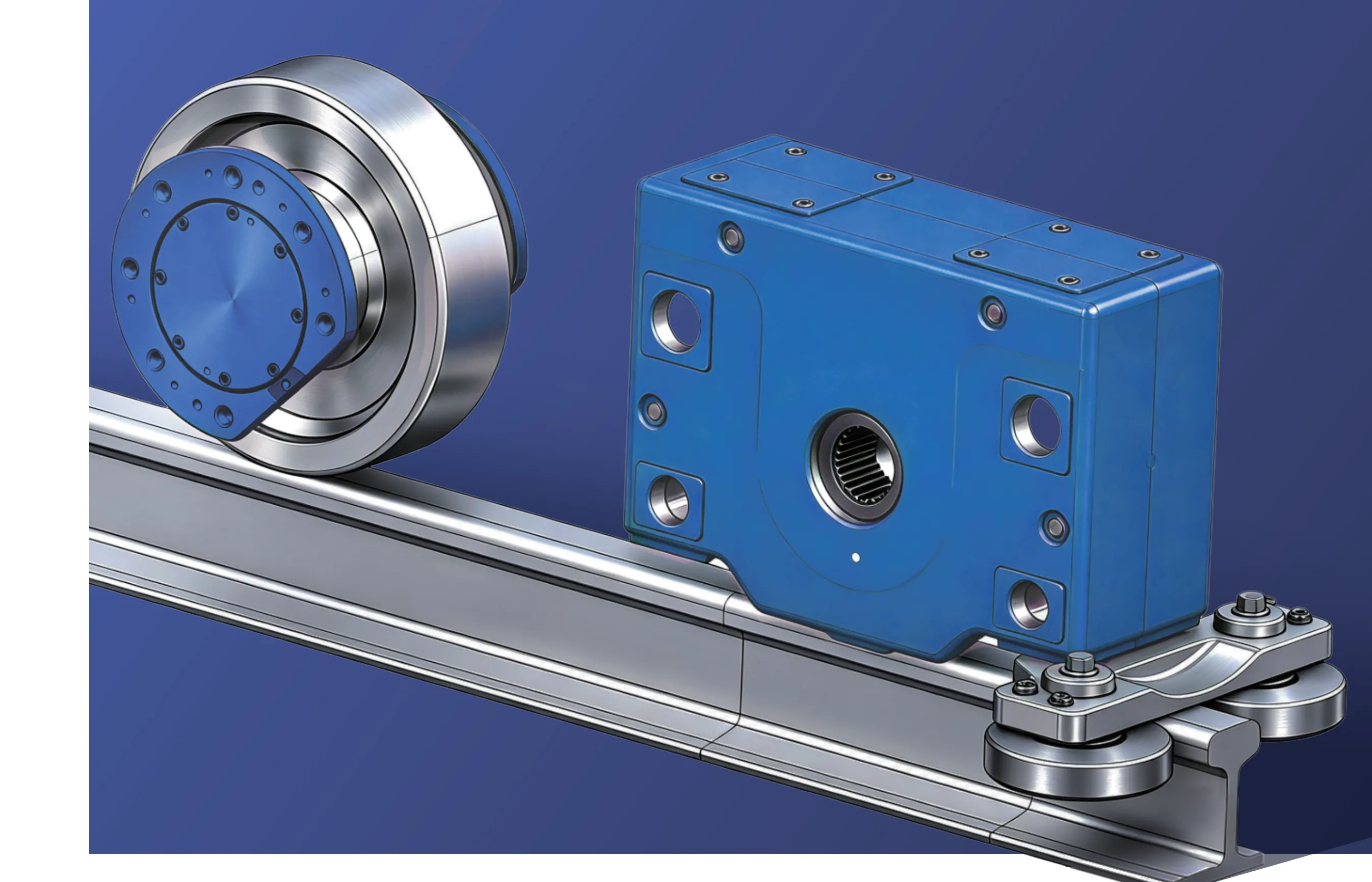
Four-Way Shuttle Wheel Units: Why Integrated Wheelsets Outlast Multi-Part Assemblies
Four-way shuttles put wheel units through one of the harshest duty cycles in intralogistics: combined loads, continuous operation and rapid start-stop motion at high acceleration. This article explains why conventional multi-part wheel units fail first — and how the THB WSD/WSN integrated wheelset answers with a deliberate sequence of design choices: the right structure first, the right material last.
[Industry Focus]
[Insights]
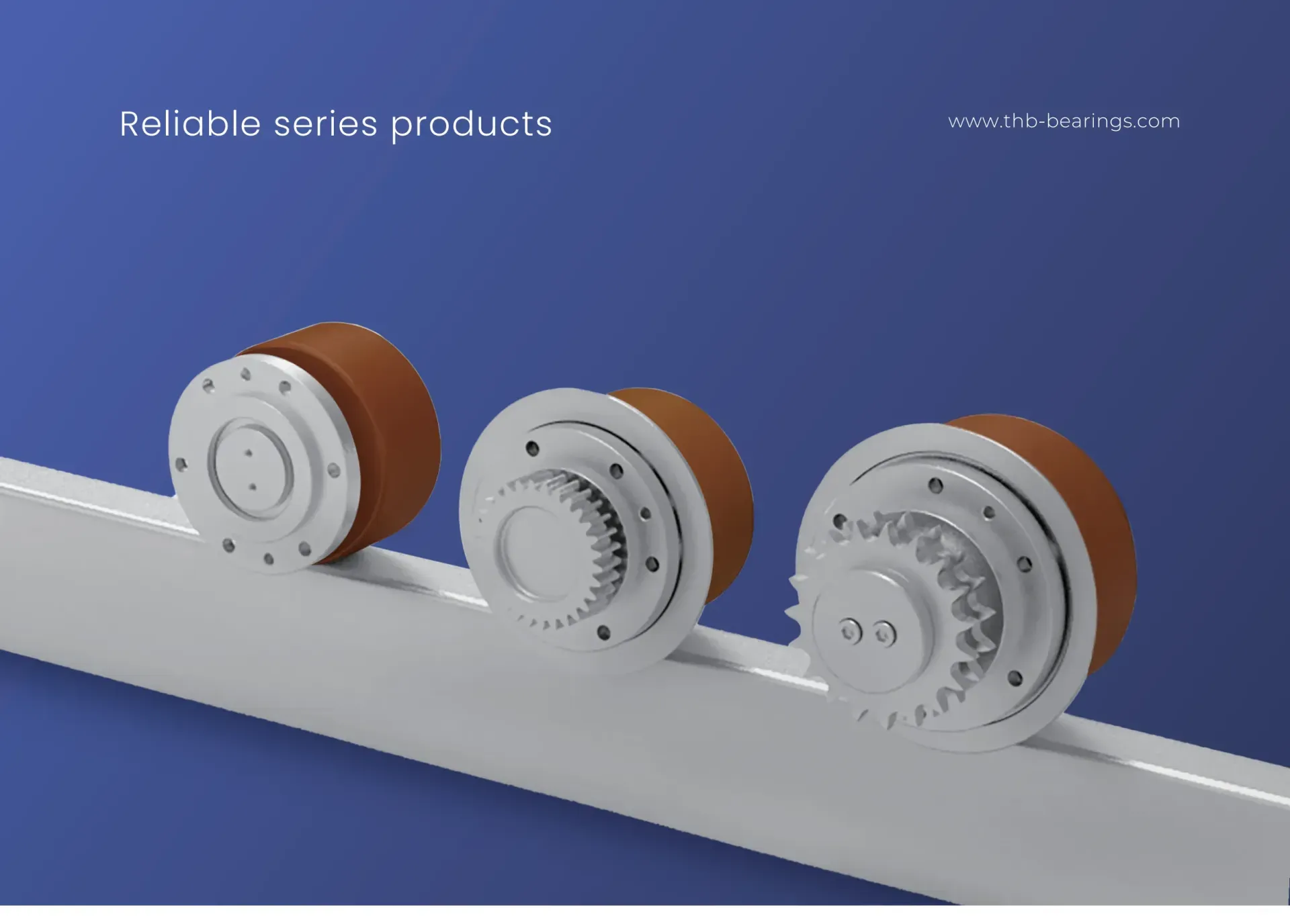
The THB TRK Wheel Block & TRE Wheelset: One System for Travel Mechanisms
The THB integrated wheel block TRK and wheelset TRE are built as one system for travel mechanisms: a wheel block for standard duty, open to custom development, and a wheelset for heavy loads. In numbers, the system covers standard duty from 2.7 t to 40 t on the TRK wheel block and heavy loads from 5 t to 60 t on the TRE wheelset. This article sets out what the system is designed against and how it is built — the operating conditions it serves, the problems it addresses, the structural and mounting decisions, and the wheel materials available.
[Industry Focus]
[Insights]
Reliability Begins with Understanding the Application
When a customer asks us for a bearing quotation, we do not always quote right away.
We often ask one more question:
“What conditions is your equipment running in?”
A part number tells us what the bearing is.
It does not tell us what the bearing will face in the machine.
At THB, we believe reliability begins with understanding the application.
Because the same bearing can perform very differently in different applications.
Discover why THB starts with the application — and how we find the right bearing solution.
[Industry Focus]
[Insights]
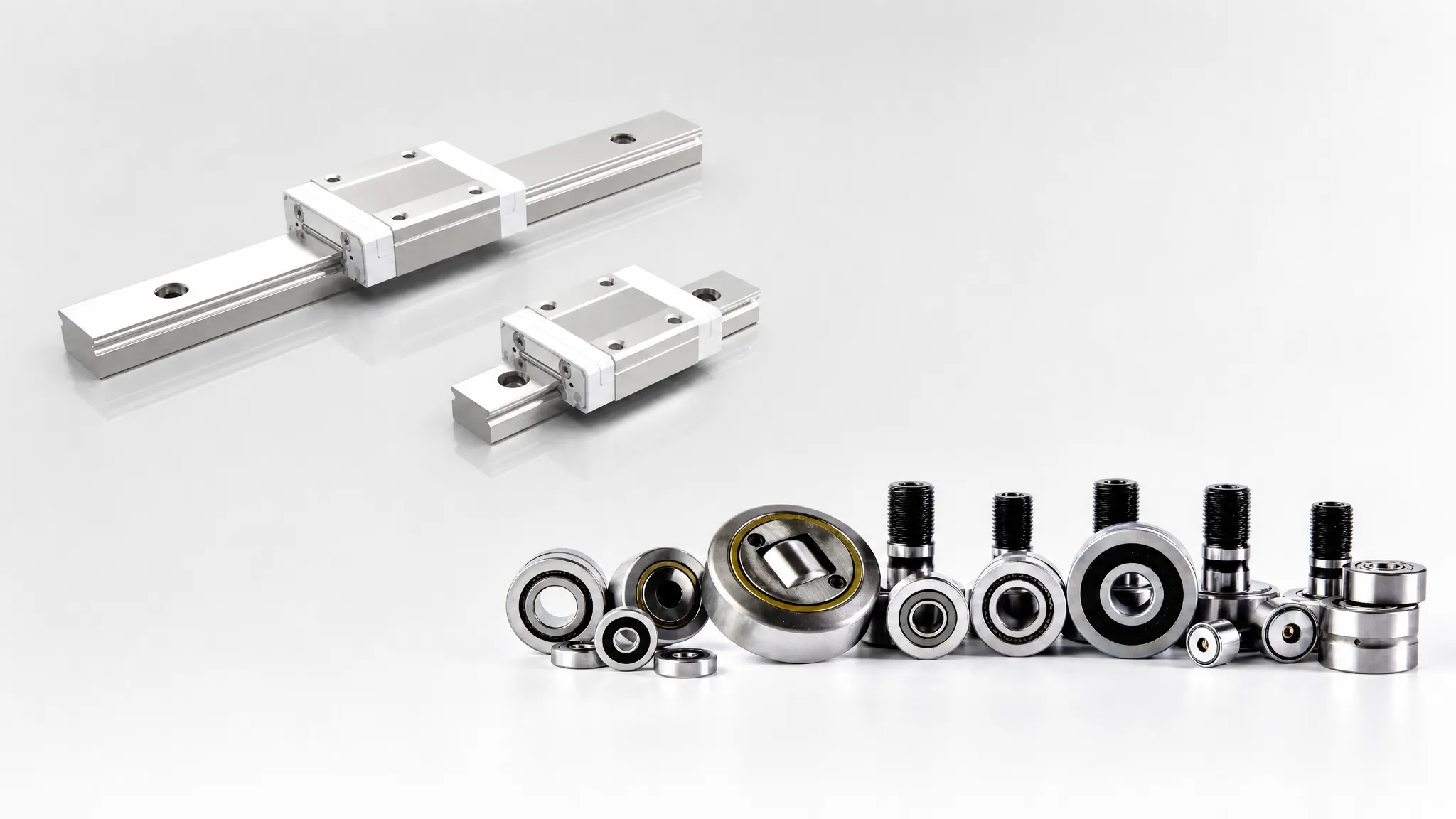
Linear Guide vs. Track Roller: No Better Option, Only the Best Fit
This article compares recirculating linear guides and track rollers, clarifying that neither technology is universally better—each fits specific working conditions. Linear guides offer micron-level precision and rigidity for clean, short-stroke applications, while track rollers thrive in contaminated, cost-sensitive, and cam-driven environments. A four-step decision tree, application table, and four hybrid case studies show how combining both often delivers the optimal solution.
[Industry Focus]
[Insights]
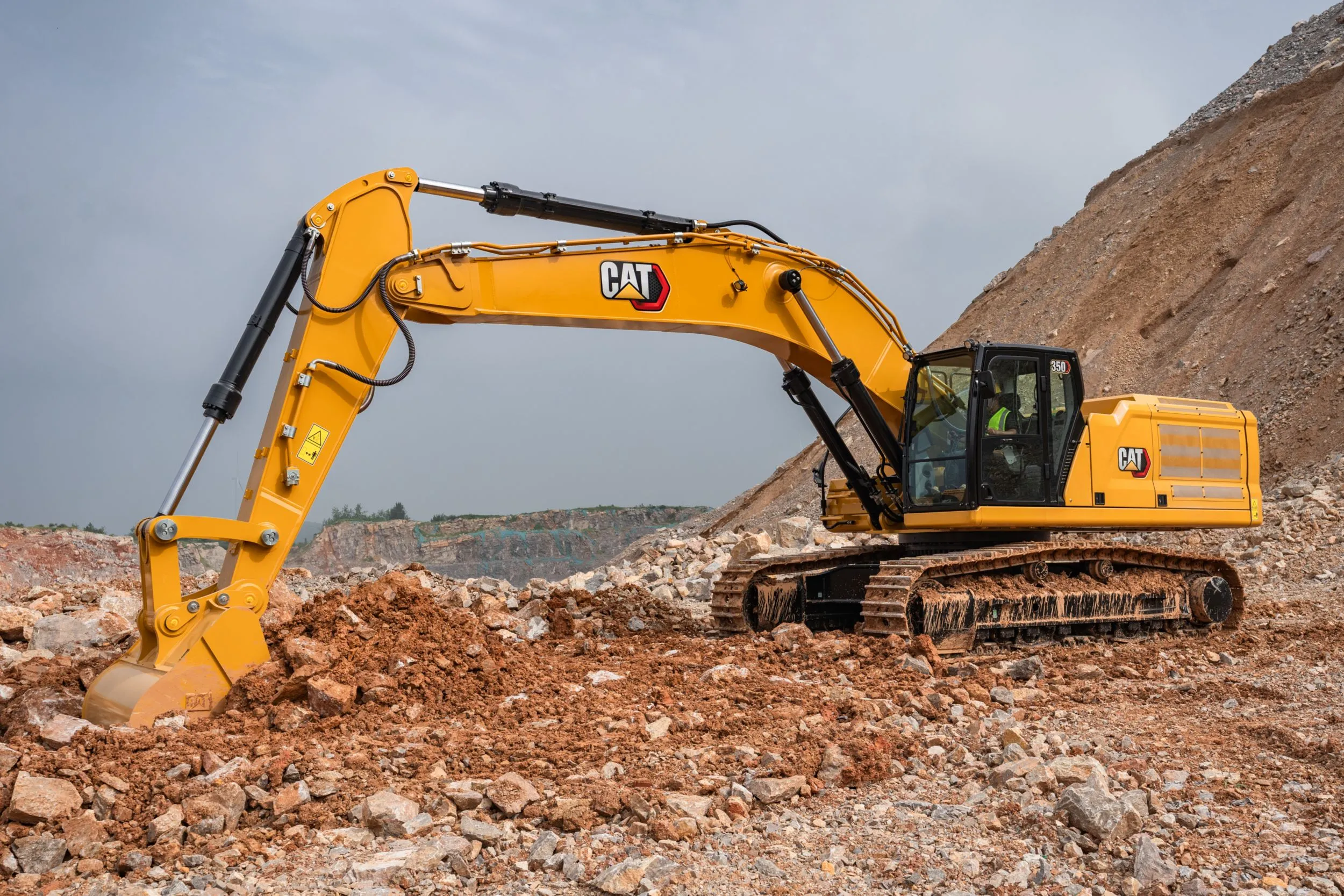
Beyond Specifications: What Else Drives Slewing Bearing Stability?
In technical catalogs, a slewing bearing is defined by loads and specifications. On the job site, however, it is the machine's critical, irreplaceable pivot. Replacing a failed bearing requires complex teardown, causing costly downtime that far exceeds the part's price. Following factory greasing schedules and matching bearings to real-world operating environments—like dust, salt spray, or precision vibration—is key to preventing early failure and maximizing equipment uptime.