[Industry Focus]
[Insights]
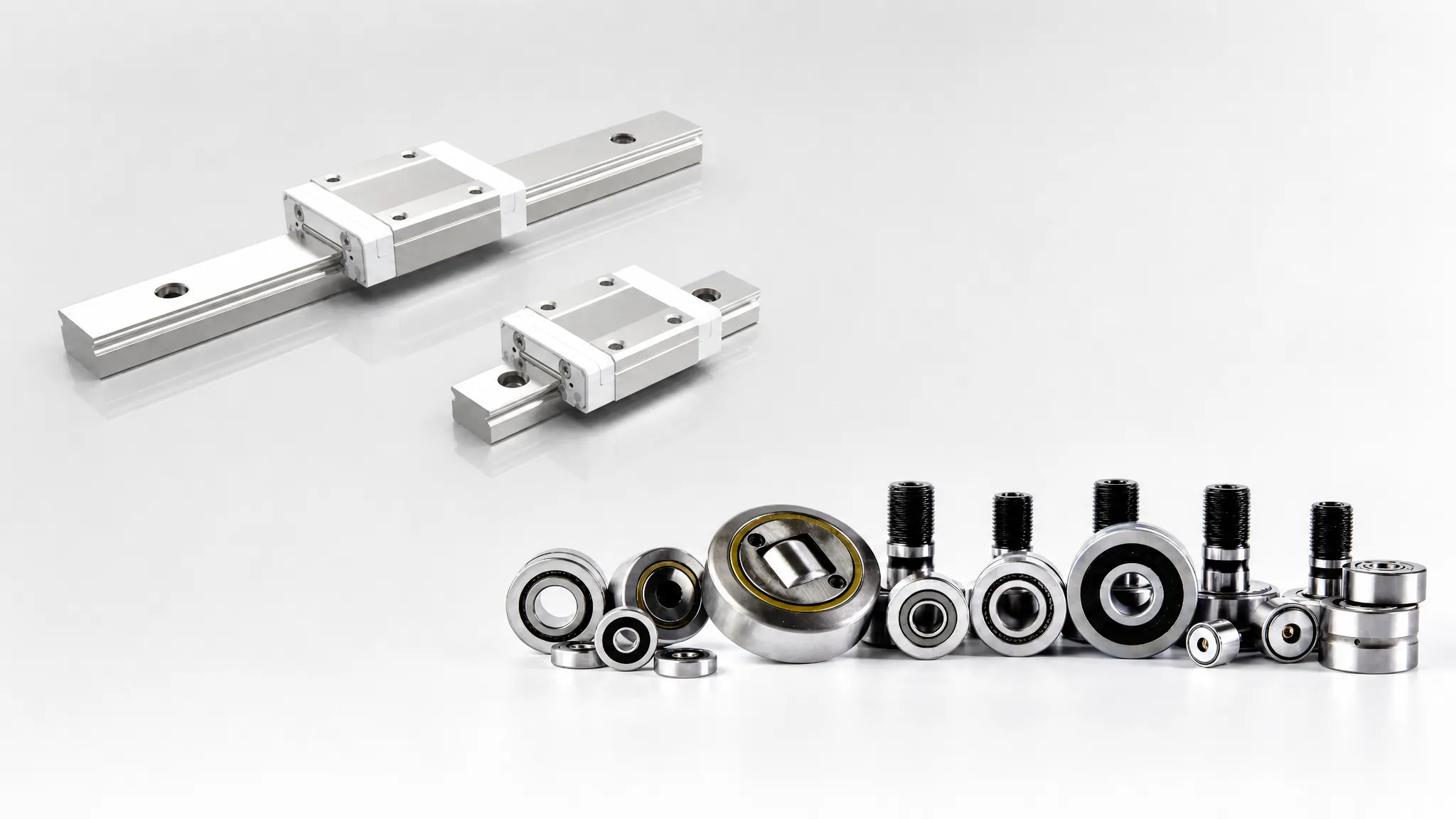
Linear Guide vs. Track Roller: No Better Option, Only the Best Fit
This article compares recirculating linear guides and track rollers, clarifying that neither technology is universally better—each fits specific working conditions. Linear guides offer micron-level precision and rigidity for clean, short-stroke applications, while track rollers thrive in contaminated, cost-sensitive, and cam-driven environments. A four-step decision tree, application table, and four hybrid case studies show how combining both often delivers the optimal solution.
[Industry Focus]
[Insights]
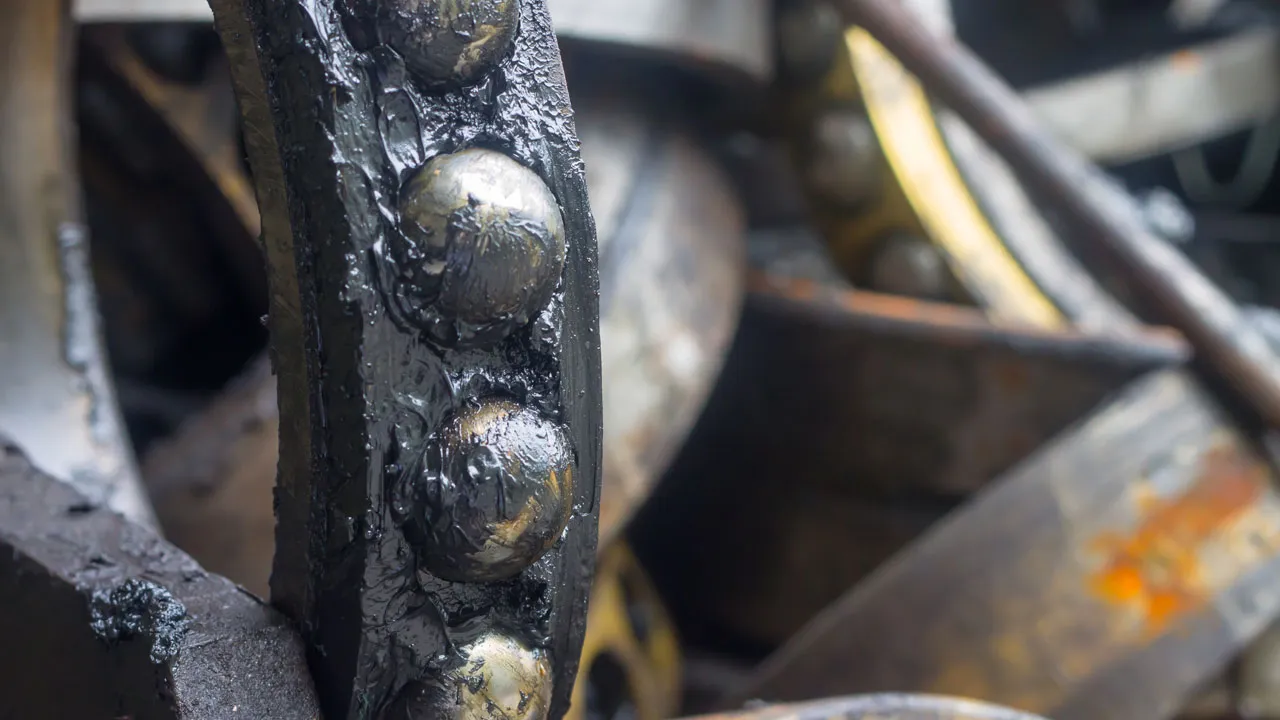
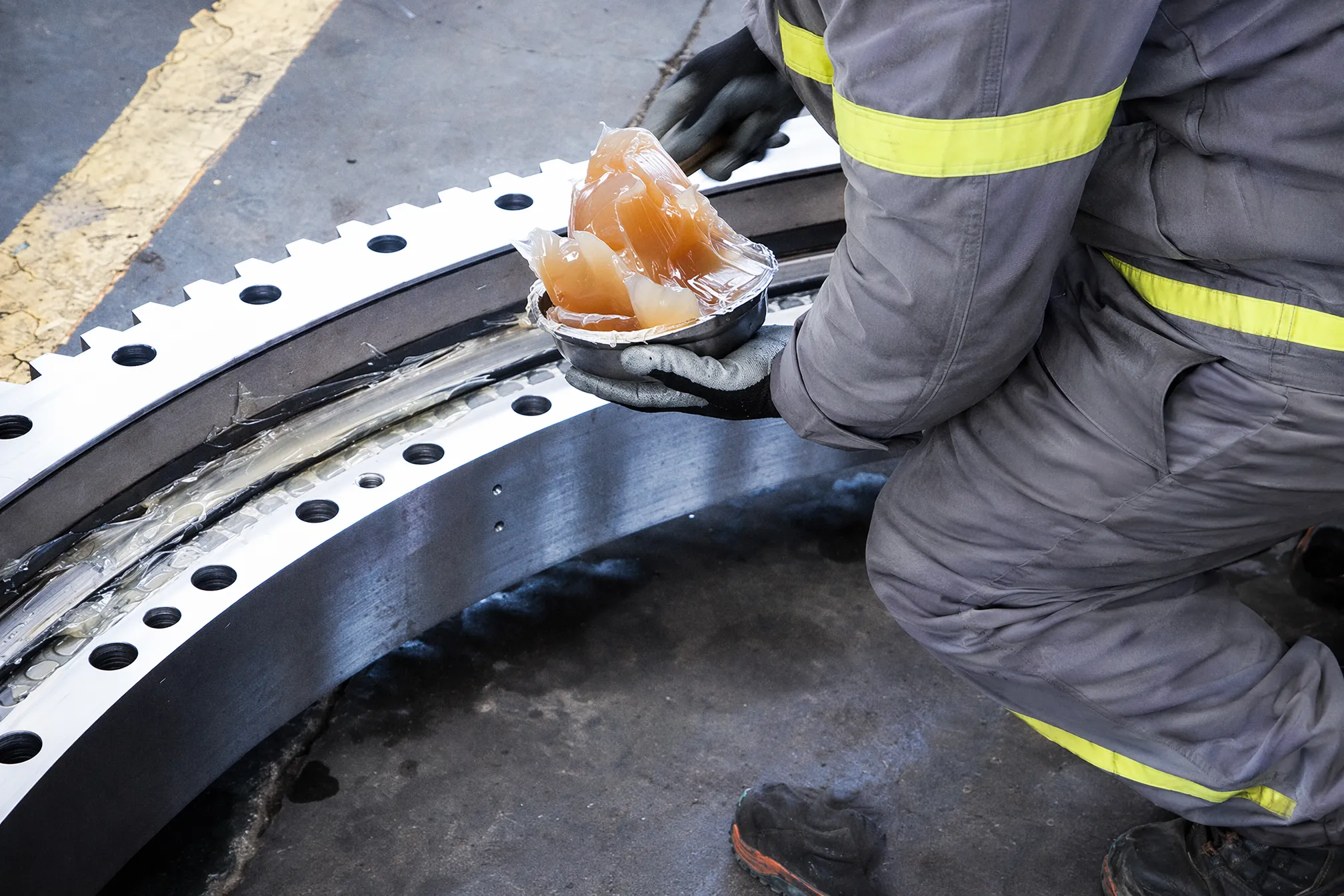
Beyond Specifications: What Else Drives Slewing Bearing Stability?
In technical catalogs, a slewing bearing is defined by loads and specifications. On the job site, however, it is the machine's critical, irreplaceable pivot. Replacing a failed bearing requires complex teardown, causing costly downtime that far exceeds the part's price. Following factory greasing schedules and matching bearings to real-world operating environments—like dust, salt spray, or precision vibration—is key to preventing early failure and maximizing equipment uptime.
[Industry Focus]
[Insights]
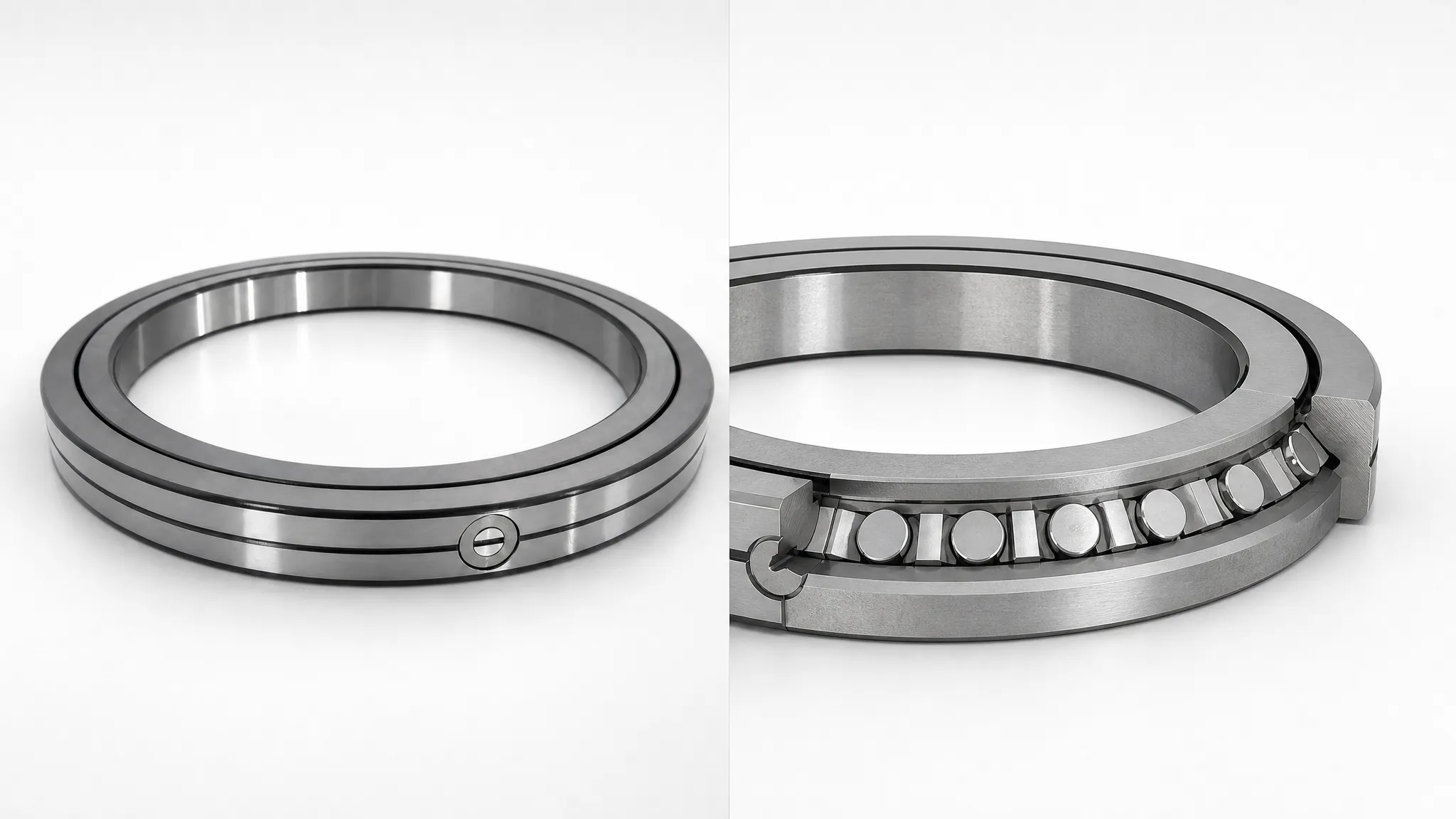
How to Choose the Right Crossed Roller Bearing?A Practical 5-Step Guide
Crossed roller bearings combine radial, axial, and moment load capacity in a single compact unit. Choosing the right model comes down to five decisions — size, structural type, mounting method, load rating, and precision grade — followed by careful attention to installation details that determine whether the bearing performs as designed.
[Industry Focus]
[Insights]
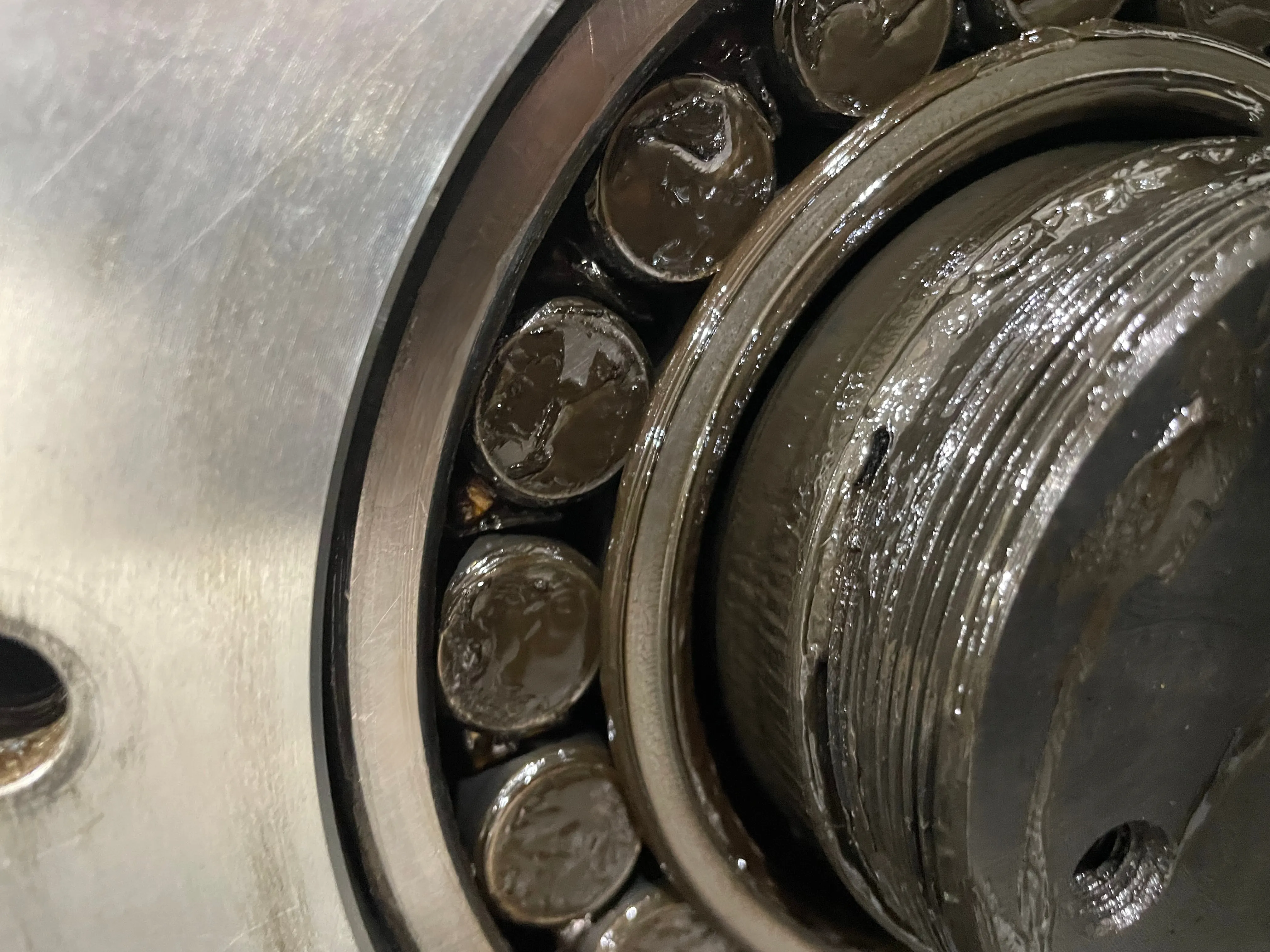
Why Do Cam Followers Fail?
Cam followers fail due to four main causes: insufficient lubrication, contamination from foreign particles, improper installation or misalignment, and overloading beyond rated capacity. Preventing failures requires regular lubrication, effective sealing, correct installation, and proper load selection to ensure long-term reliability.