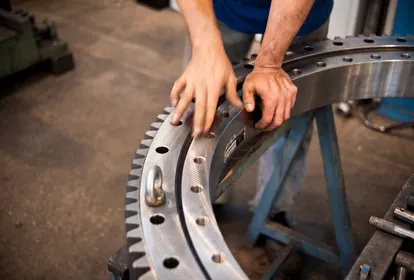
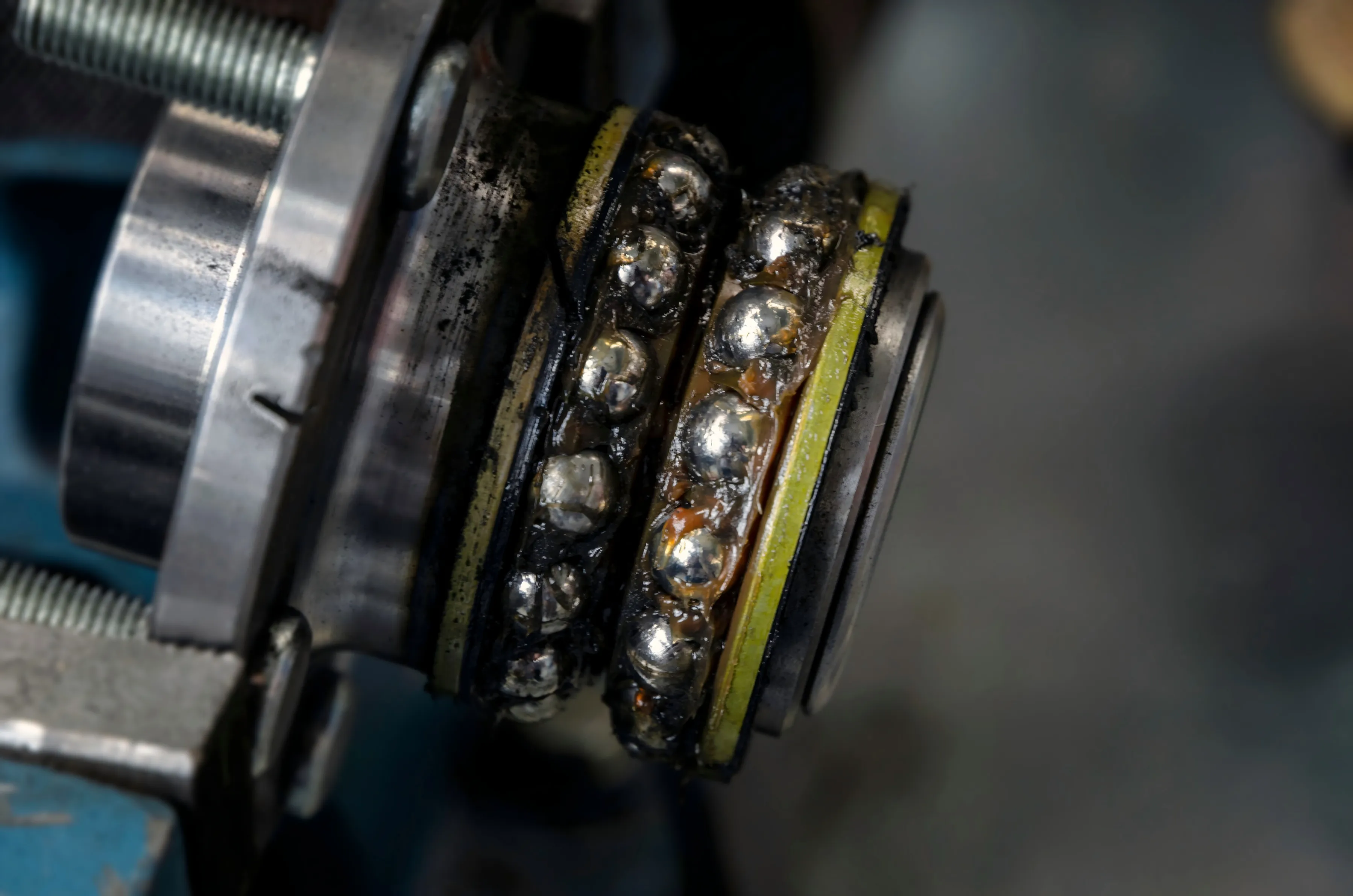
How to Choose the Right Crossed Roller Bearing?A Practical 5-Step Guide

Crossed roller bearings combine radial, axial, and moment load capacity in a single compact unit. Choosing the right model comes down to five decisions — size, structural type, mounting method, load rating, and precision grade — followed by careful attention to installation details that determine whether the bearing performs as designed.
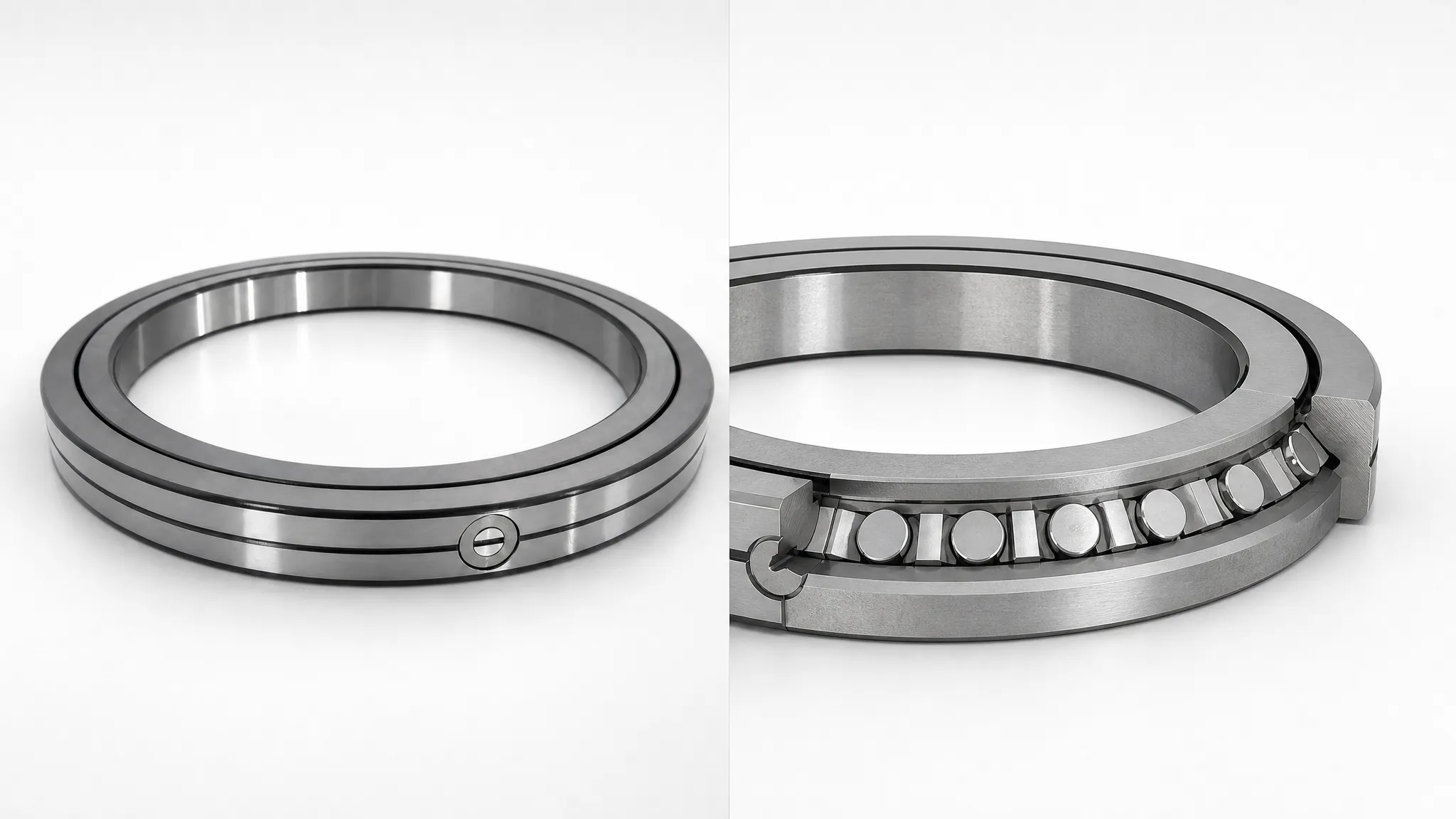
Crossed roller bearings are widely used in precision equipment such as industrial robots, machine tool rotary tables, medical devices, and semiconductor equipment.
One original purpose of crossed roller bearings is to let a single bearing carry radial, axial (both directions), and moment loads at the same time. This can replace traditional designs that need several bearings, such as two angular contact ball bearings plus one radial bearing. As a result, it saves axial space, simplifies the structure, and reduces weight.
Selecting the right crossed roller bearing takes five practical steps.The first three steps help you install the bearing correctly and keep high rotation accuracy.The last two steps check if the bearing works reliably over time and meets your target rigidity and positioning accuracy.
Step 1: Confirm the size range and available installation space
First, check the shaft diameter, housing bore size, and installation width on your machine. These sizes are usually set during the design stage. The bearing must fit these space limits. If the size is wrong, load capacity, accuracy, and bearing structure do not matter. Once you confirm the size, you can pick the right model and structural type.
Step 2: Select the structural type based on which ring needs higher accuracy
Bearings with the same size can have different structures. First, find out which side of the bearing turns with your machine. That side needs higher rotation accuracy.
- Inner ring turns, housing stays still: You need high accuracy on the inner ring. Choose the outer-ring split type (RB, RA, or SX series), where the inner ring is solid.
- Housing turns, shaft stays still: You need high accuracy on the outer ring. Choose the inner-ring split type (RE series), where the outer ring is solid.
- Both sides turn, or you need maximum rigidity and easy mounting: Choose the integral type (RU, CRBH, CRBS, CRBC, or XV series), where both rings are solid.
The following table shows the main differences:
| Structure Type | Series | Preferred Rotating Side |
| Outer-ring split | RB, RA, SX | Inner ring needs high accuracy |
| Inner-ring split | RE | Outer ring needs high accuracy |
| Integral (solid rings) | RU, CRBH, CRBS, CRBC, XV | Both sides need good accuracy |
Choosing the wrong split type lowers rotation accuracy, even if the bearing has high precision.
Step 3: Decide the mounting method
Crossed roller bearings are mounted in two main ways:
- With mounting holes on both rings (common on RU series): You can bolt the bearing directly to your parts, like a small slewing bearing. Installation is easy and fast.
- Without mounting holes: The bearing is held by a housing, a pressure flange, and a tight fit on the shaft and bore.
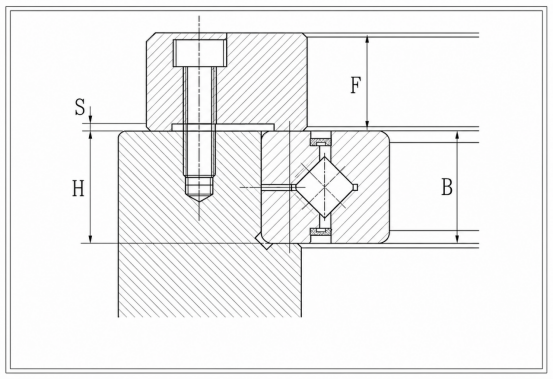
The mounting method affects both assembly difficulty and system rigidity. Low housing rigidity or uneven clamping force can bend the thin rings and lower performance.
Step 4: Verify load-carrying capacity
Calculate the radial, axial, and moment loads for your actual working conditions. Crossed roller bearings can handle all three loads at the same time. However, the model you pick must have high enough dynamic and static load ratings with a safe margin.
Use a safety factor of around 1.5 for normal work, or 2 to 3 for shock, vibration, or high precision. If the calculated load is higher than the rating, choose a larger size or a stronger series.
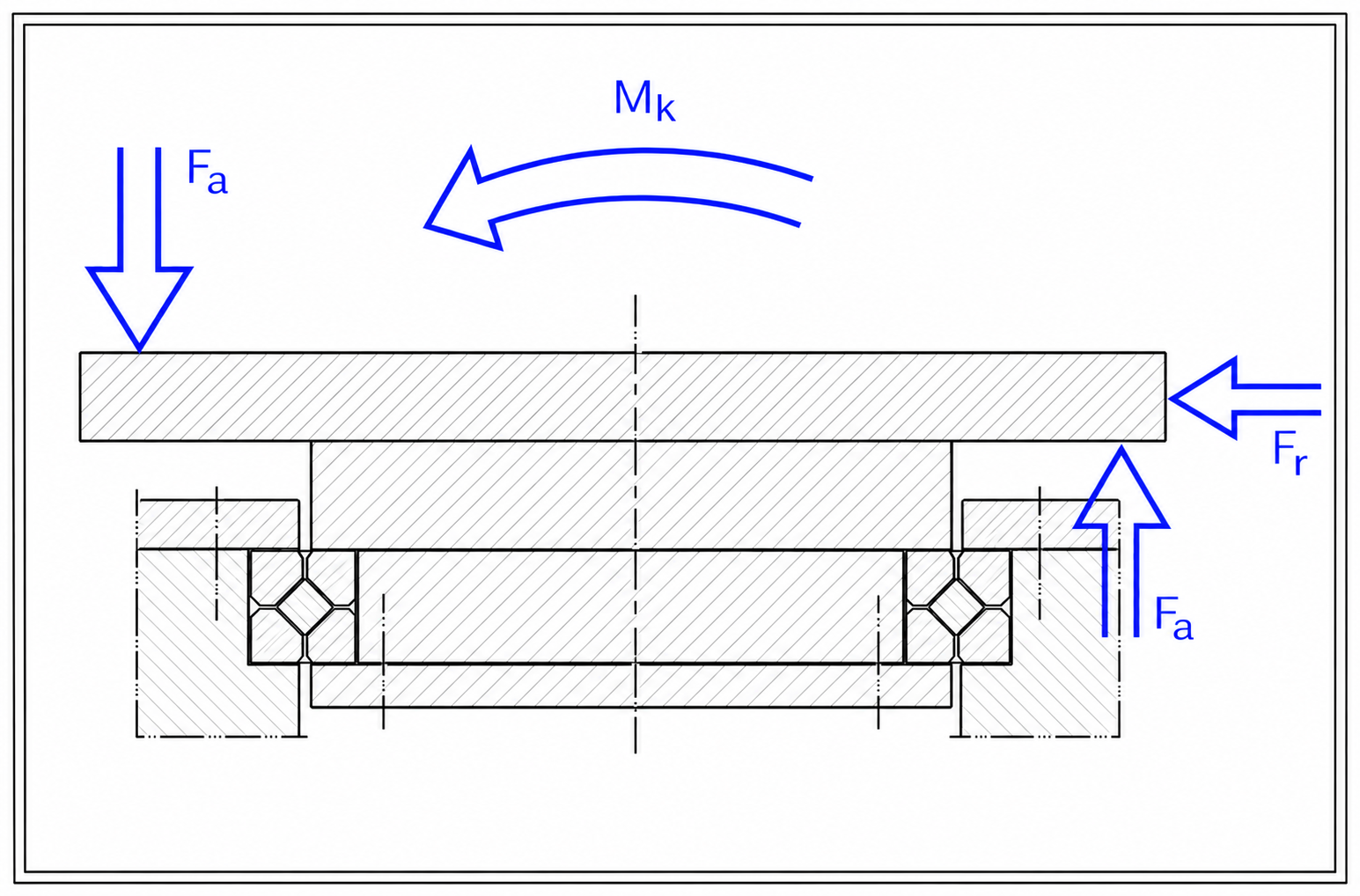
Step 5: Select accuracy grade and internal clearance (preload)
Accuracy grade and internal clearance directly affect rigidity, positioning accuracy, noise, and bearing life.
- Negative clearance (preload): Increases rigidity and reduces noise for precise positioning. But too much preload raises friction and heat, which can shorten life.
- Positive clearance: Allows higher speed, but lowers rigidity and may increase noise.
- High accuracy grades (P5, P4, or better): Choose these when low runout and high repeat accuracy are key.
Match clearance and precision to your real work needs, instead of always choosing the tightest option.
Beyond these five steps, here are a few practical tips to keep in mind during real work.
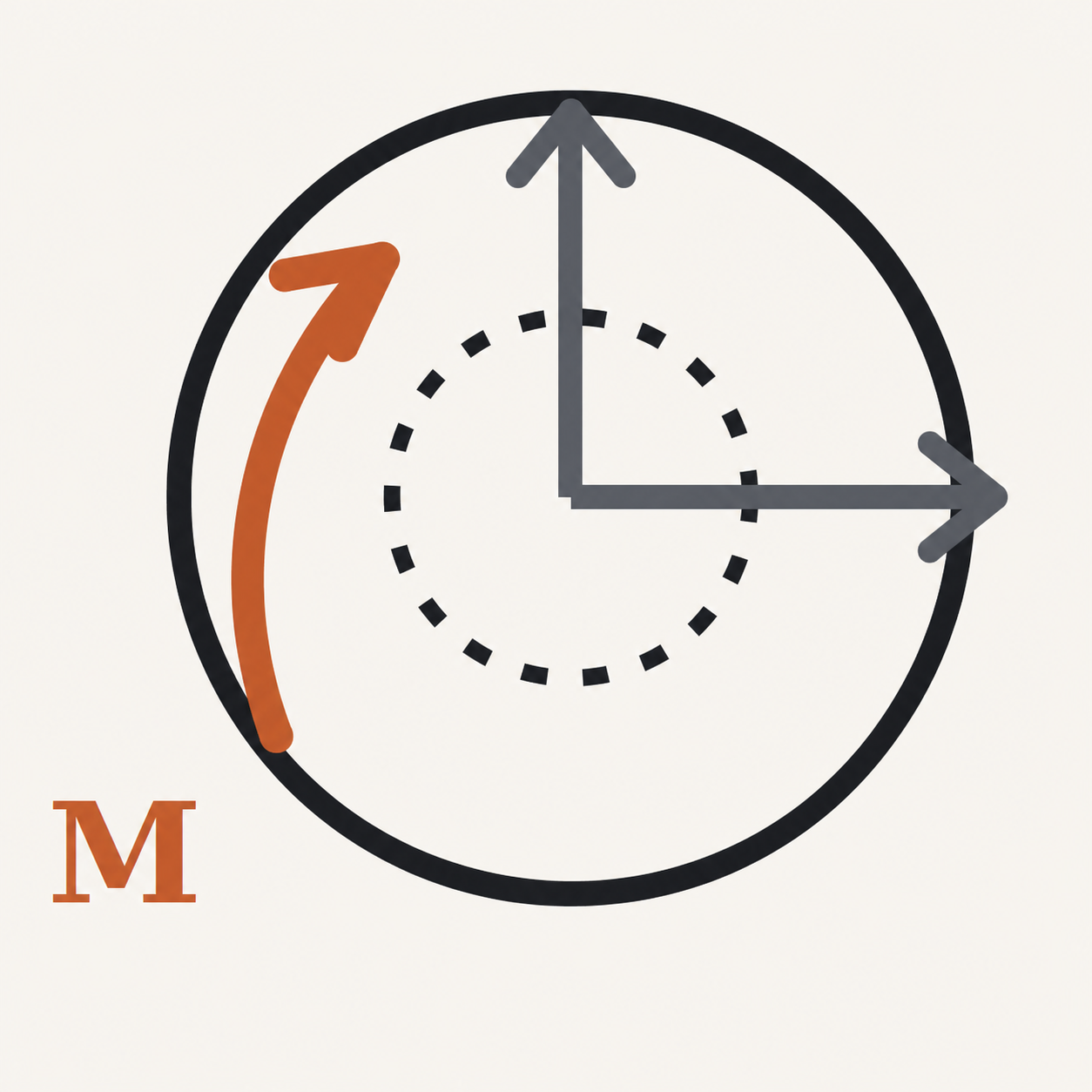
Ignoring moment load:
Looking only at radial load underestimates the real total load. Always calculate radial, axial, and moment loads together.
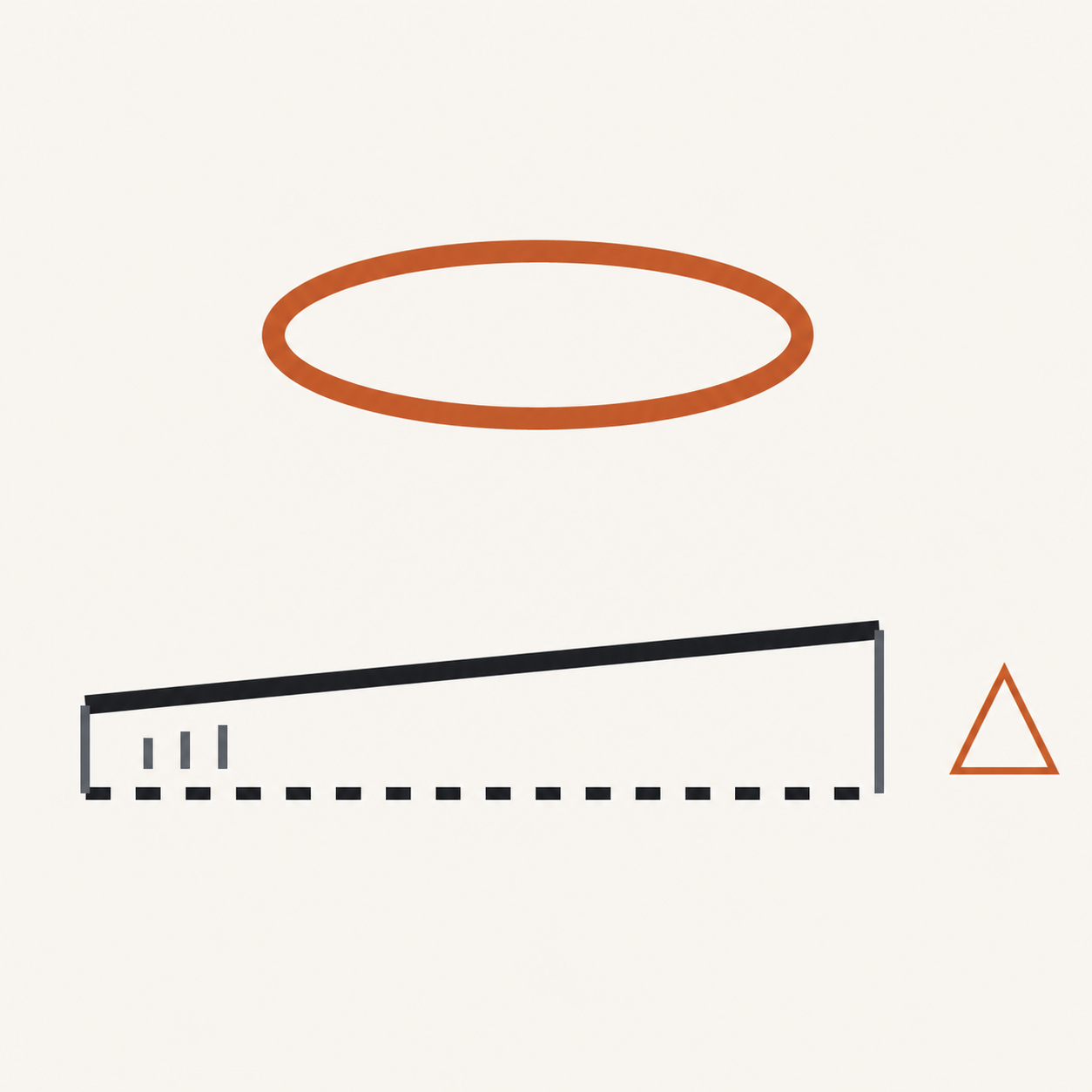
Poor flatness of mounting surfaces:
Small errors can bend thin bearing rings, causing higher runout and stress. Check and fix mounting surfaces before assembly.
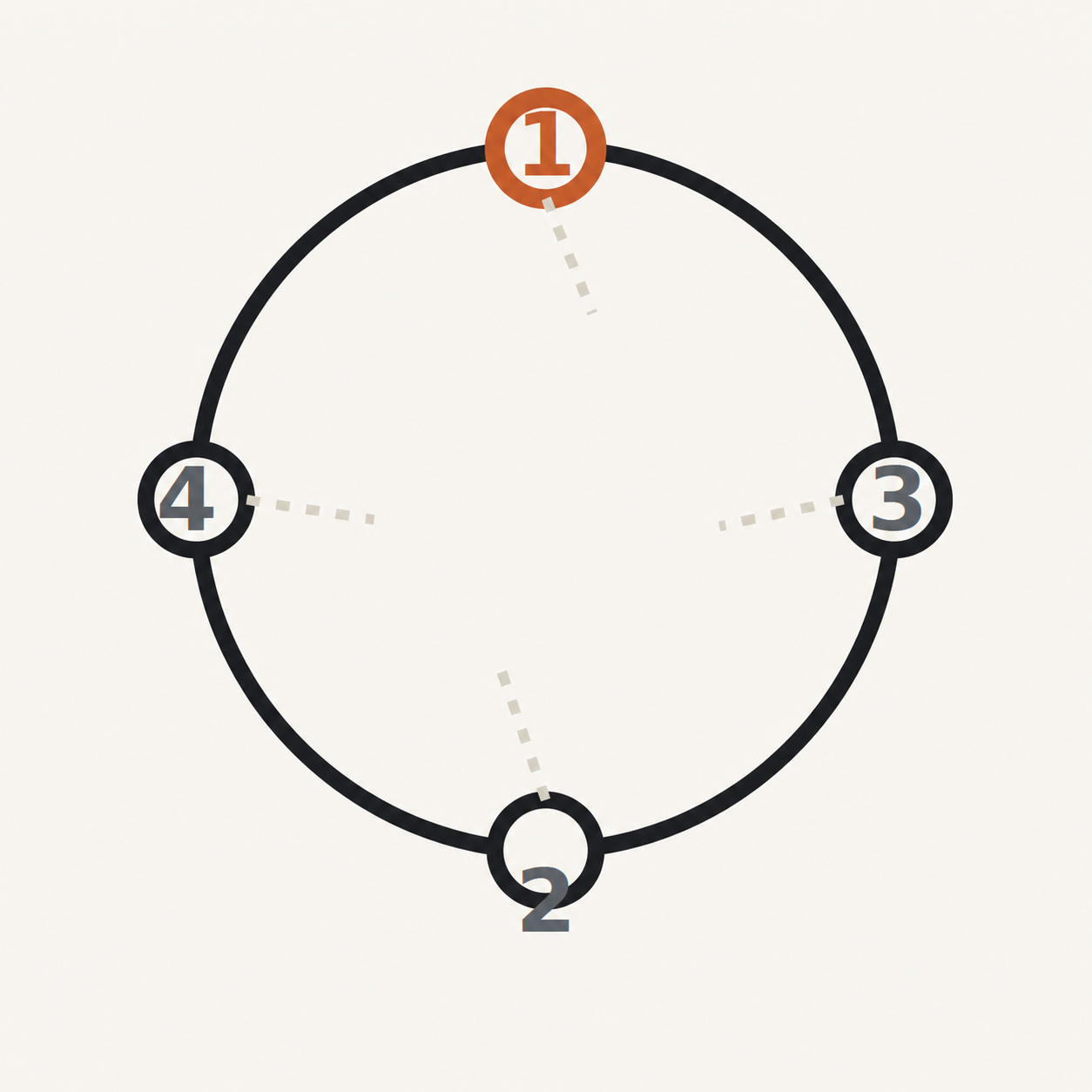
Uneven bolt tightening:
Fully tightening one bolt at a time deforms the rings. Use a cross pattern and tighten bolts in steps.

Dirt during installation:
Dust between rollers and raceways causes noise and surface damage. Keep the area clean and protect the bearing until final assembly.

THB Bearing
Professor
Infomation
Tags
Published
Author
Share
Contents
Subscribe to THB Blog
Stay connected with THB
and receive new Blog posts in your inbox