Reliability Begins with Understanding the Application

When a customer asks us for a bearing quotation, we do not always quote right away. We often ask one more question: “What conditions is your equipment running in?” A part number tells us what the bearing is. It does not tell us what the bearing will face in the machine. At THB, we believe reliability begins with understanding the application. Because the same bearing can perform very differently in different applications. Discover why THB starts with the application — and how we find the right bearing solution.
When a customer asks us for a bearing quotation, we do not always quote right away. We often ask one more question:
“What conditions is your equipment running in?”
Most people pause when we ask that. In their mind, reliability is something a product carries with it — good material, tight tolerances, a trusted name. Selection is supposed to start with a datasheet, not a round of questions.
But at THB, our experience has shown us that reliability doesn't start with the product itself — it starts with understanding the application.
The same bearing, installed in two seemingly identical machines, can last several times longer in one than in the other. The difference is rarely the bearing itself. More often, no one fully understood what it was actually enduring in the field.
Step 1: Understand the Application Before the Product
Most suppliers follow a simple process:
- You send a part number or a drawing.
- They send a quote.
- Then they ship.
This is fast, and for many standard applications, it works well.
We chose a slower path. Before we quote, we ask about:
- Load profiles and temperature ranges
- Lubrication methods and media exposure
- Mounting and assembly conditions
This is not because we distrust a part number or a drawing. A part number tells you what a component can do. It does not tell you what that component will actually face in your machine.
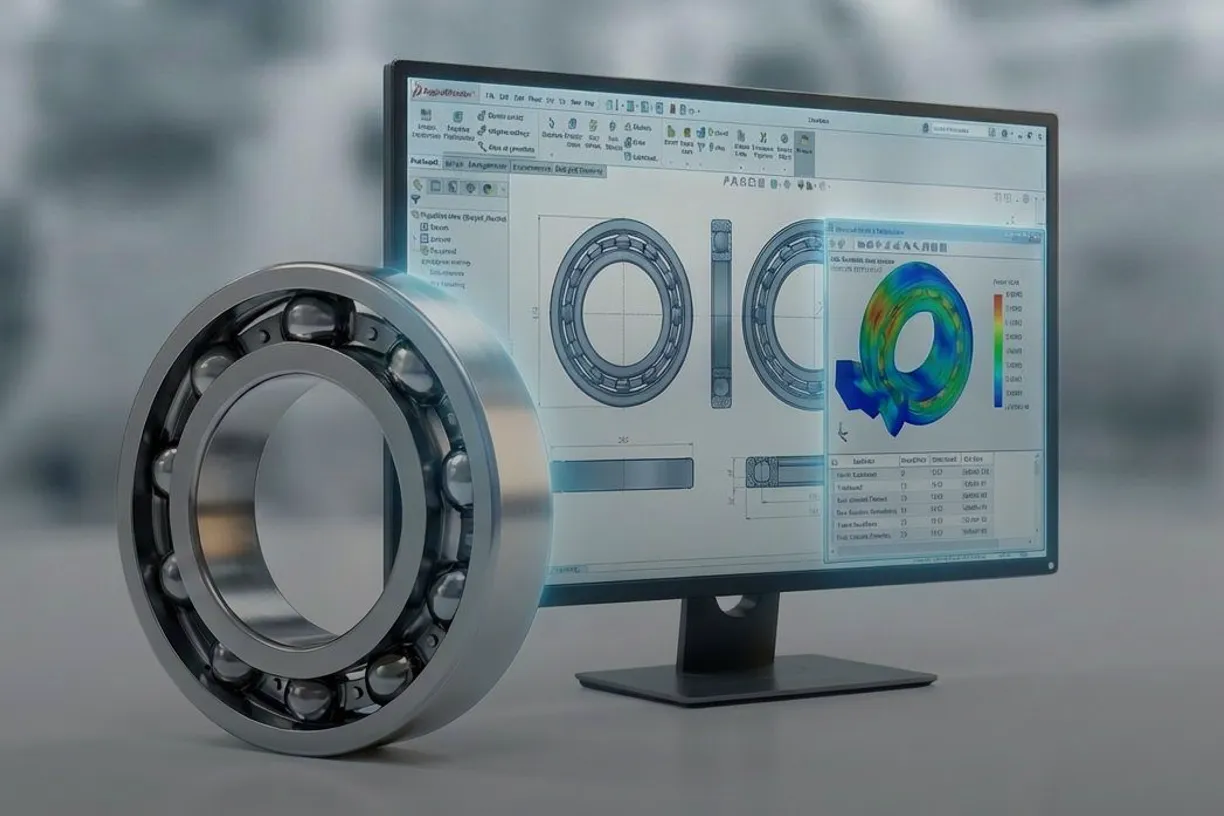
Step 2: Real Operating Conditions Matter More Than the Datasheet
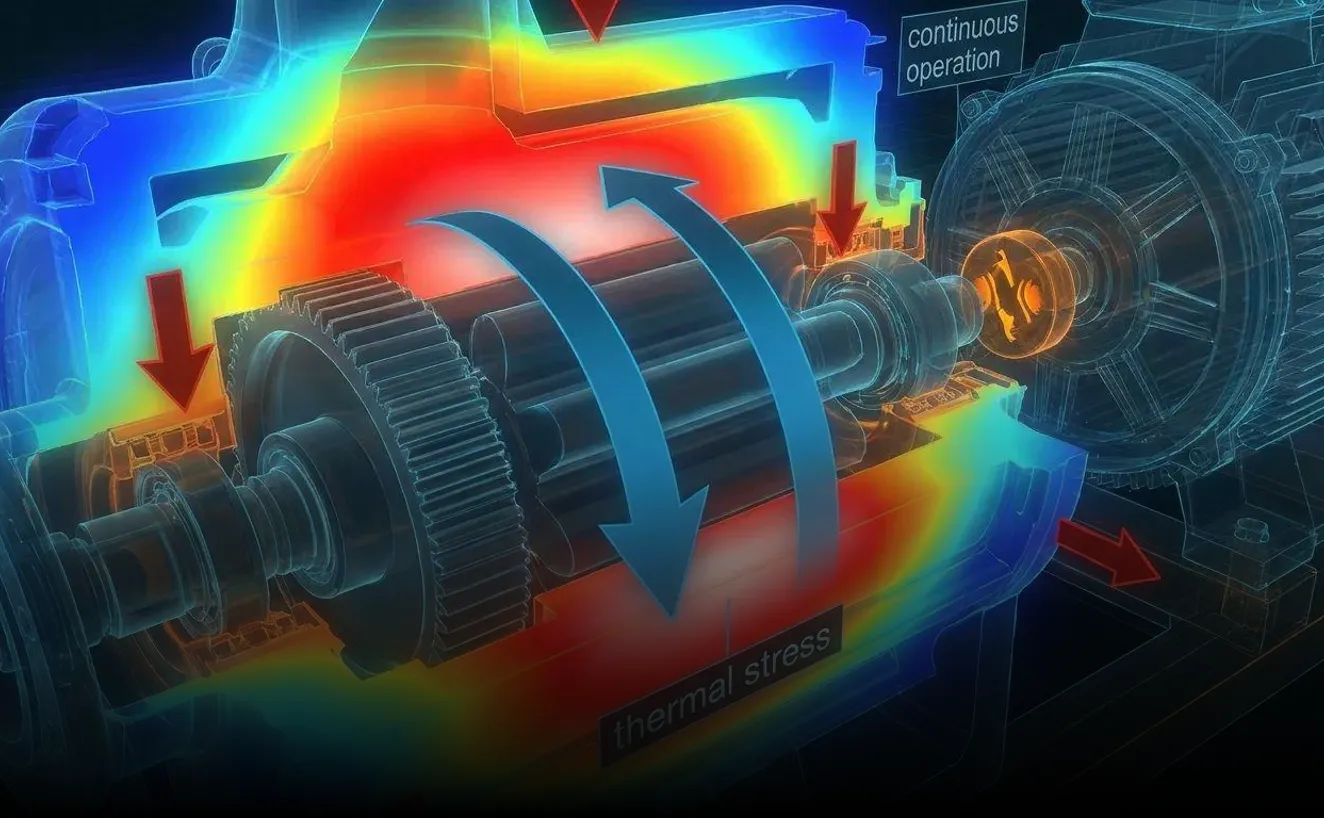
Datasheets are static. They tell you how much load or speed a bearing can handle under defined reference conditions. The field is rarely that tidy.
- Shaft Misalignment: A 0.2 mm offset can cause uneven loading in the bearing and cut its service life roughly in half.
- Environmental Contamination: A machine with no design problem can fail within six months if dusty workshop conditions meet an unsuitable seal selection.
Selecting from the datasheet alone can confirm that the part itself is capable. It cannot confirm that the part will perform well in your machine.
Step 3: Reliability and Cost Are Not a Trade-off
In real-world selection, we often see two common scenarios:
| Scenario | Risk & Hidden Impact | Financial Result |
|---|---|---|
| Over-specification | Selecting higher specs than needed to ensure safety. | Material and purchasing costs end up higher than necessary. |
| Under-specification | Selecting lower specs or mismatched components. | Premature failure leads to downtime, rework, and customer complaints that far exceed initial savings. |
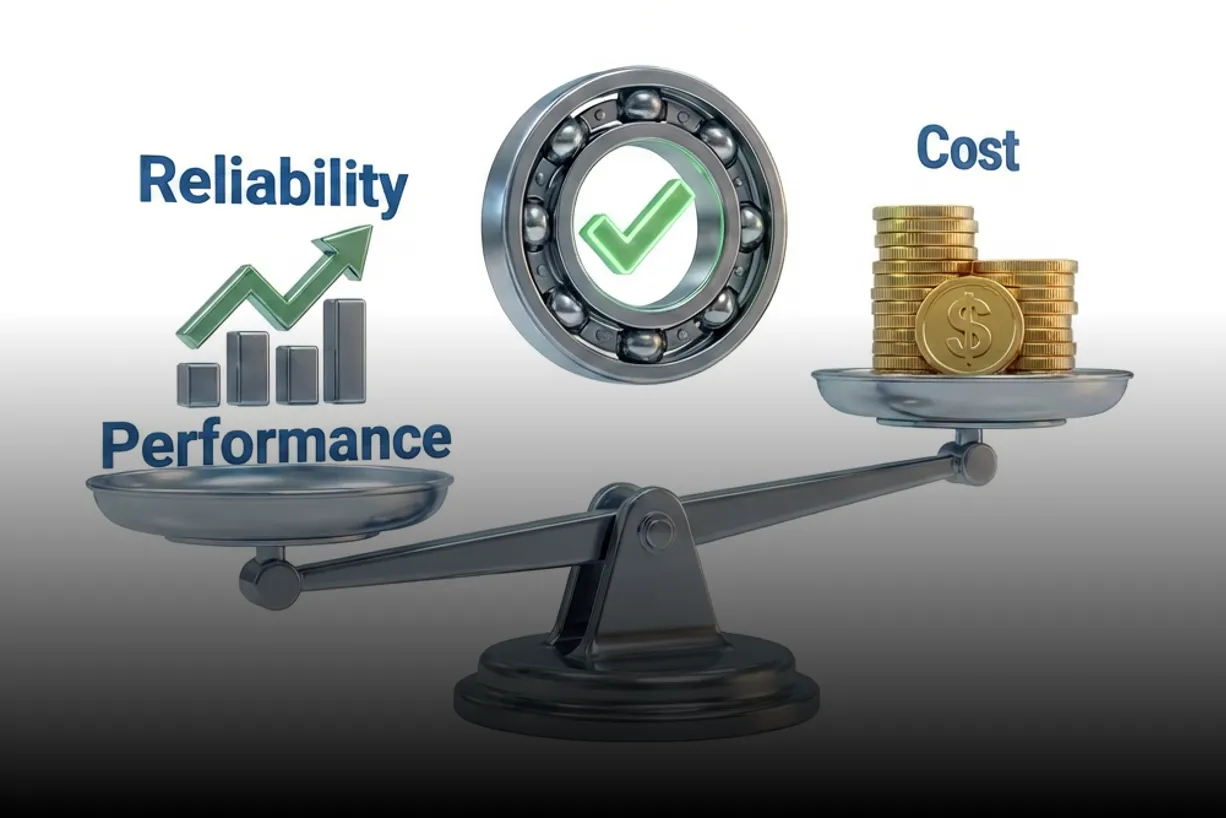
Both situations usually come from the same gap: an incomplete picture of the operating conditions. What we do is help fill in that picture so you can land on a solution that truly fits — not the more expensive option, not the cheaper option, but the right one.
Step 4: Turning the Philosophy Into Practice
A philosophy is only as good as its execution. Across three key stages in an equipment’s life cycle, we turn “application before product” into concrete work:
- R&D Stage: Selection, Calculation, and CustomizationWhen your equipment is still on paper or in 3D modeling, THB’s application engineering team provides technical input, runs life calculations, and performs load checks based on real conditions. If standard bearings fall short, we recommend structural design improvements or custom bearing development.
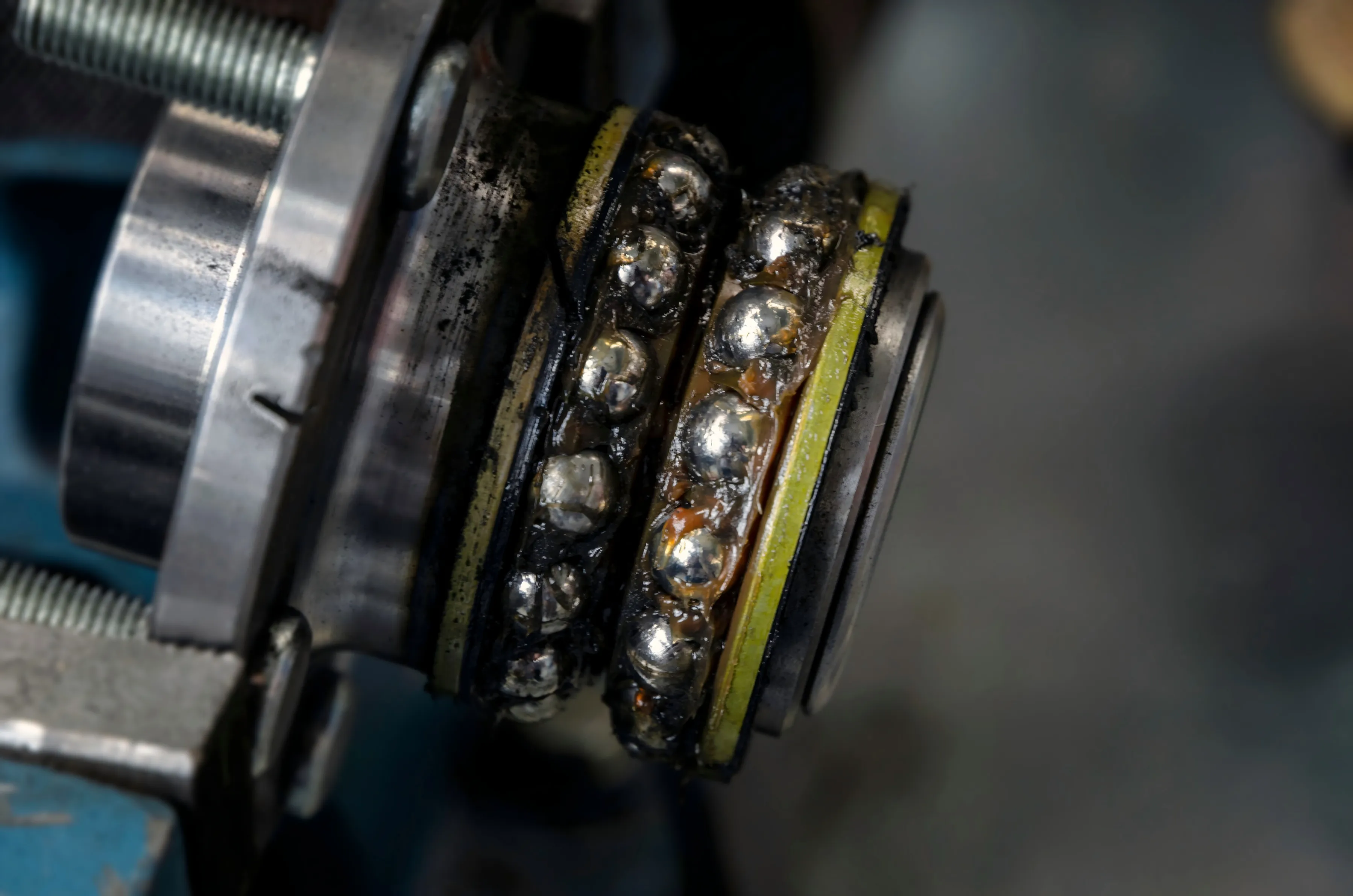
- Failure Diagnosis: Failure AnalysisWhen a bearing shows abnormal damage or fails, we examine damage patterns and wear marks on the bearing and related parts. Tracing root causes helps uncover hidden operating condition issues to prevent repeat risks.
- Standardized Maintenance: Installation and Lubrication GuidanceIndustry studies commonly attribute more than half of premature bearing failures to lubrication or mounting issues. We provide precise lubrication recommendations and mounting protocols — because even a well-designed bearing will fail if misaligned or greased incorrectly.
In Closing
There is nothing wrong with model-driven supply. It is fast, well established, and supports many standard applications — we supply plenty of standard bearings this way too.
What we want to make clear is something else: when conditions are complex, or when you have already experienced a component failure, THB does not stop at a part number. In those cases, we would rather understand the operating conditions first, and then give the right answer.

THB Bearing
Professor
Infomation
Tags
Published
Author
Share
Contents
Subscribe to THB Blog
Stay connected with THB
and receive new Blog posts in your inbox