Quality is written into the process before it shows up in the finished part.

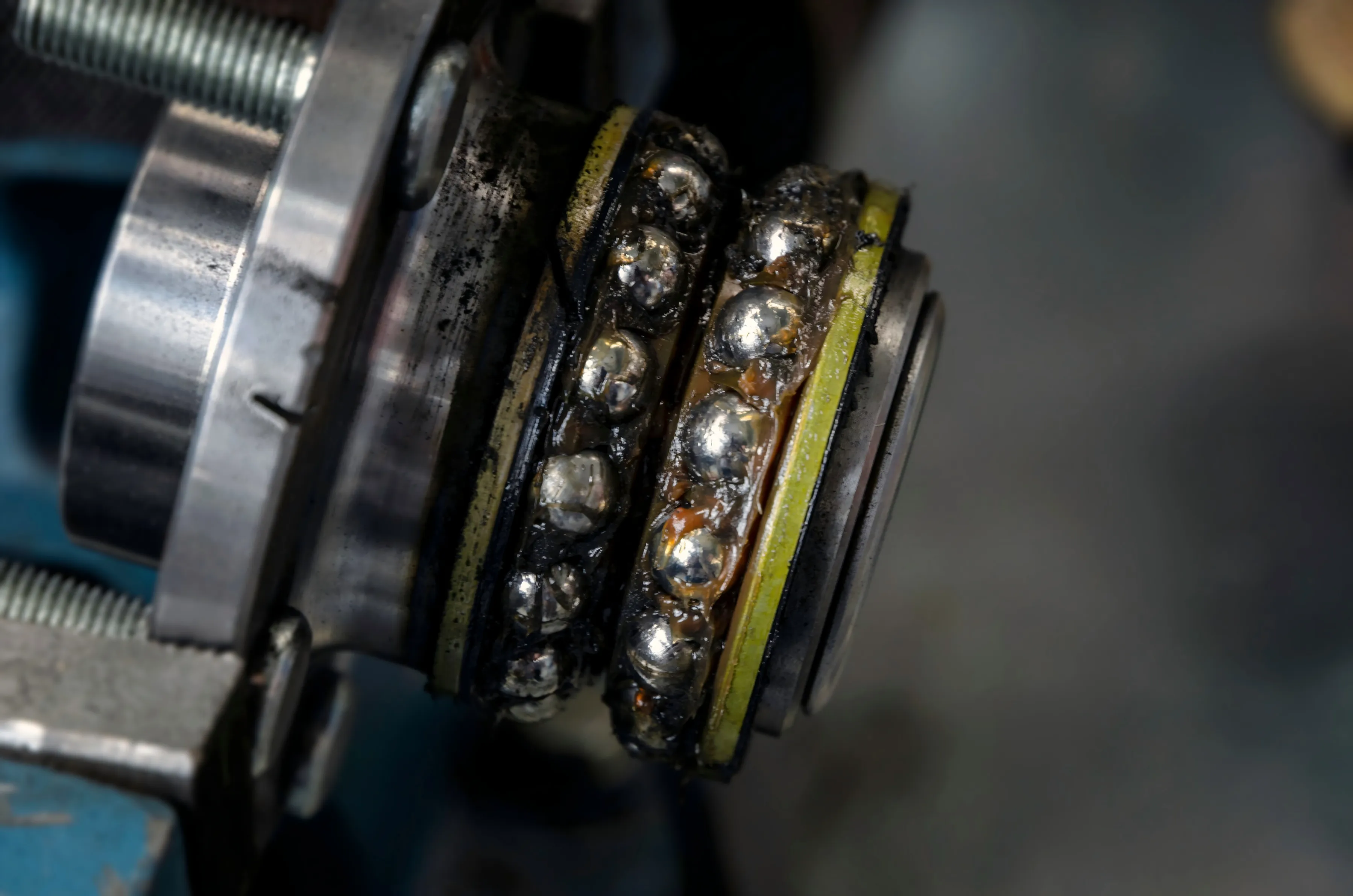
Early failure does not usually start on the day the bearing is installed. Material, process, and measurement can change the product earlier. Below are five steps. Each step says what we control, and what that means for you. The proof is in the pictures.
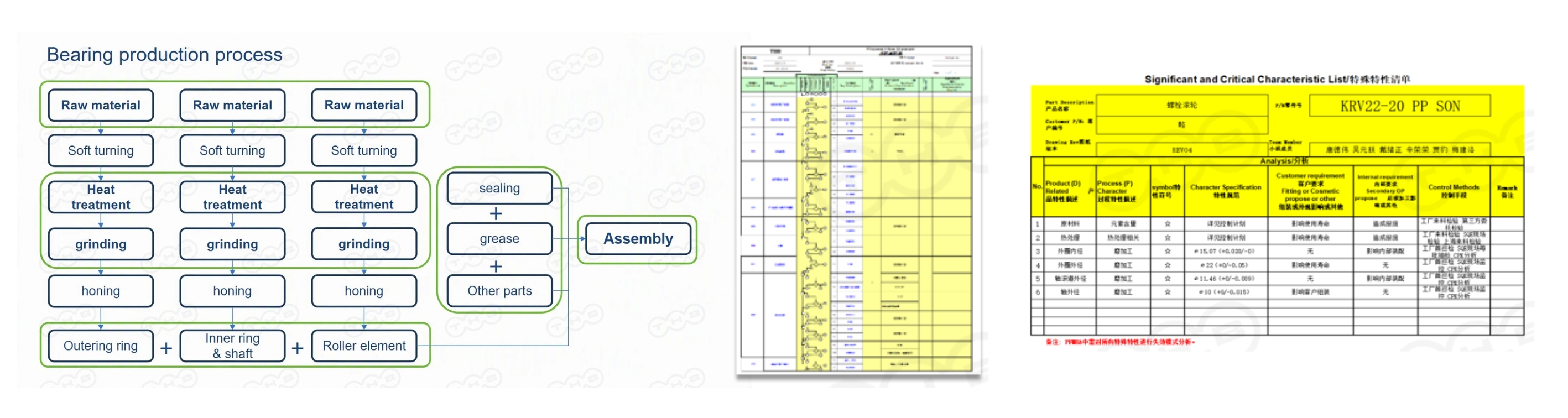
01 Process Design & Planning
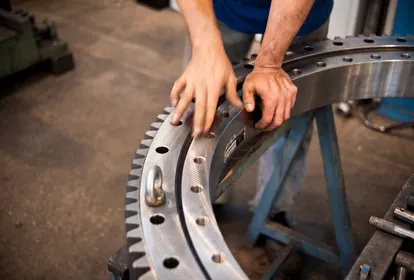
Before samples and mass production, we set the path from raw material to finished part. We mark the points that affect life and noise. We also mark the features we must watch. The process route, failure modes, and control methods use the same set of words.
Value: You can see the risk before production starts. You review a path with the key points already marked. You do not only see an inspection note added later.
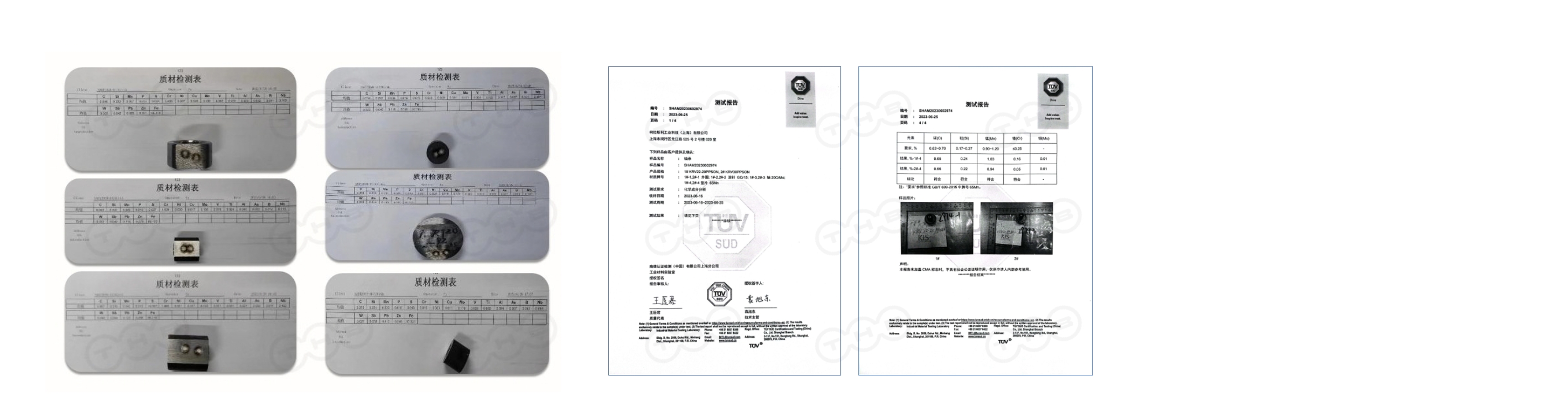
02 Raw Material Control
Bearing life and size depend a lot on the incoming material. The material should stay consistent. We check the steel content and the steel structure when it arrives. We also check grease, seals, and other materials. We do not wait for a later step to find the problem.
Value: We try to keep material changes out of the finished part. This helps lower the risk of early failure. It also helps keep each batch more stable.
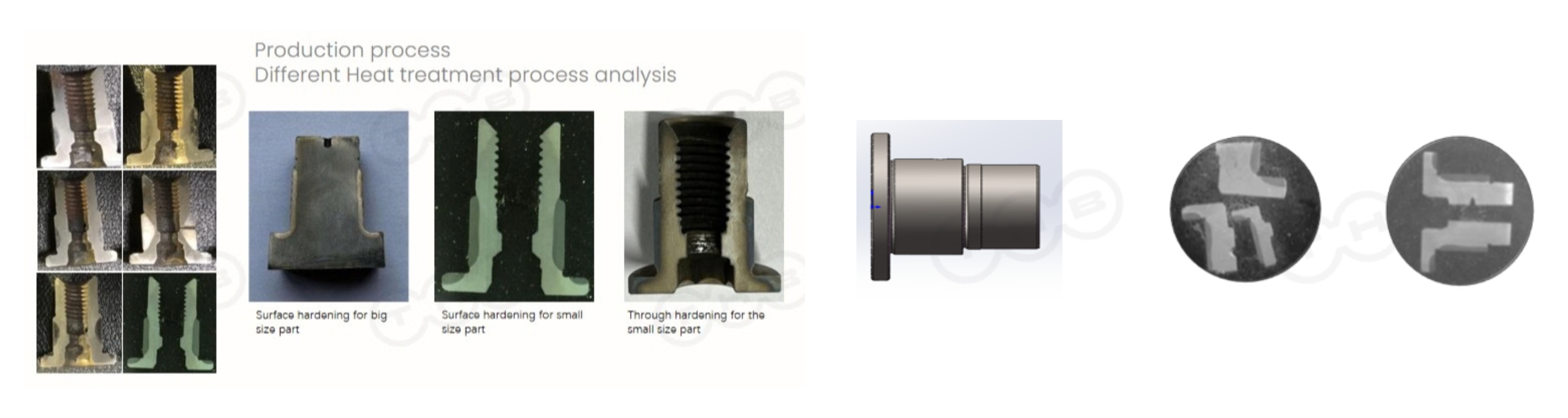
03 Production Process Control
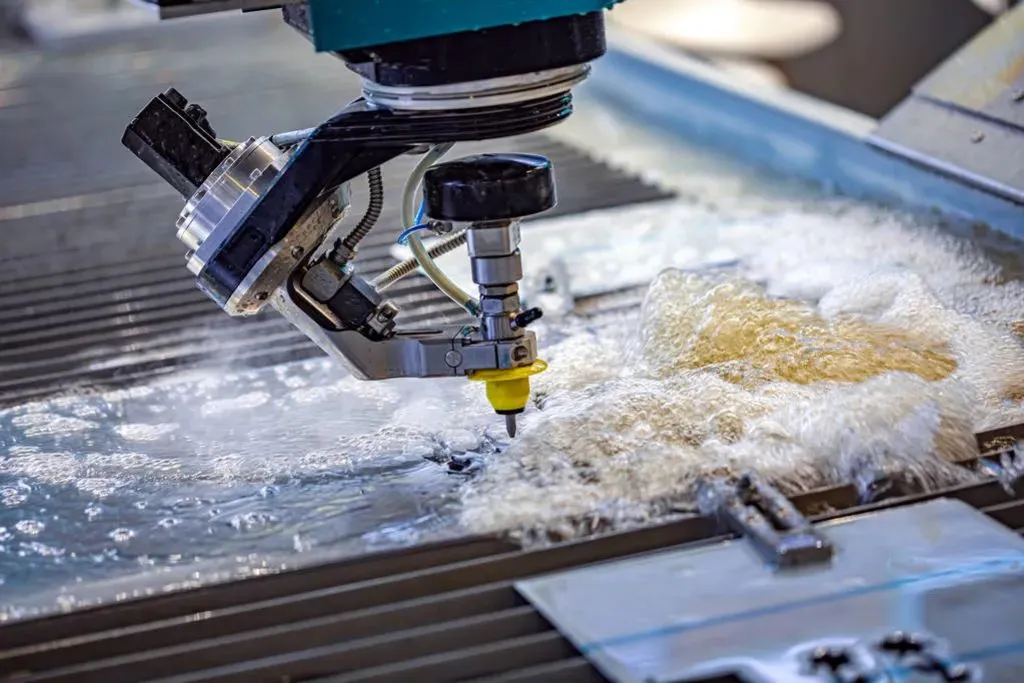
Heat treatment affects the steel structure and hardness. Forming and grinding affect size, shape, and surface. Key steps run inside a set range. We keep the records from that time, so we can check them later.
Value: If you need to trace one batch, you can go back to the process at that time. You do not only get a final pass result.
04 Measurement System Analysis & Capability
If size and shape are not measured well, both "pass" and "fail" can be wrong. For key features, we first check that the measurement system is stable enough. Only then do we use it to judge the process.
Value: A difference in the reading should not hide a real difference in the part. The release decision stays closer to the real condition.

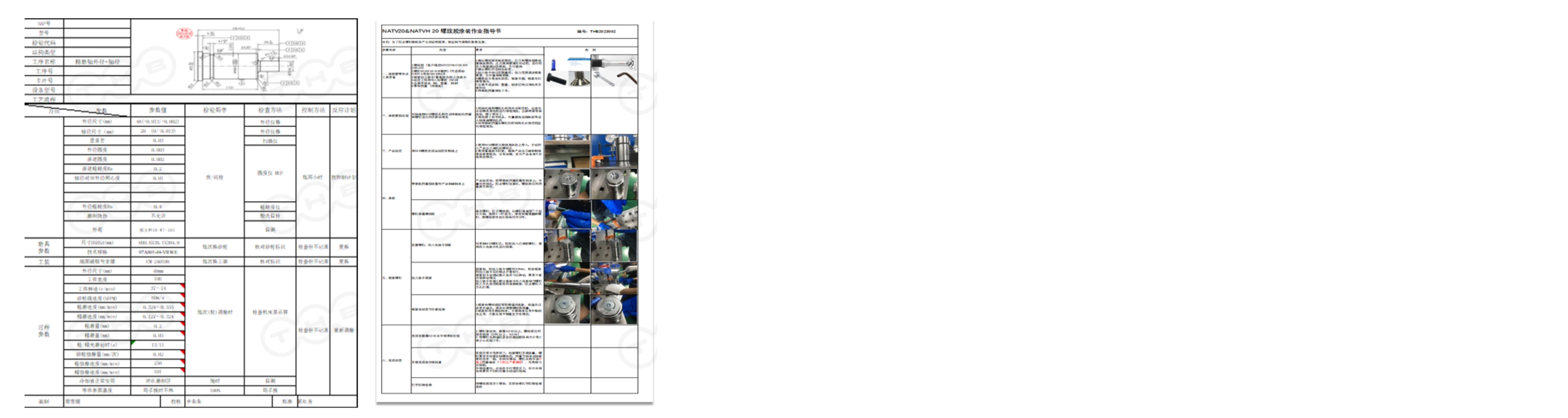
05 Standardized Operations & Field Execution
Work steps and inspection rules are at the work station. They are not only in a folder. For the same product, every shift sees the same method.
Value: This reduces changes from spoken instructions and from people changing shifts. Later batches stay closer to the same condition.
Quality is not sorted out at the final check
A final check only shows the result at that time. Quality is not sorted out there. From process design on, it is written into each step. The five steps above say the same thing. The path is set first. Material, process, measurement, and shop-floor work stay in the process. What you see on the finished part is what these steps leave behind.

THB Bearing
Professor
Infomation
Tags
Published
Author
Share
Contents
Subscribe to THB Blog
Stay connected with THB
and receive new Blog posts in your inbox