Choosing the Right Grease Is Harder Than You Think — But There Are Clues

Avoid costly bearing failures by mastering three simple grease rules: never mix by color, always match grease to your operating temperature, and avoid the trap of overfilling.
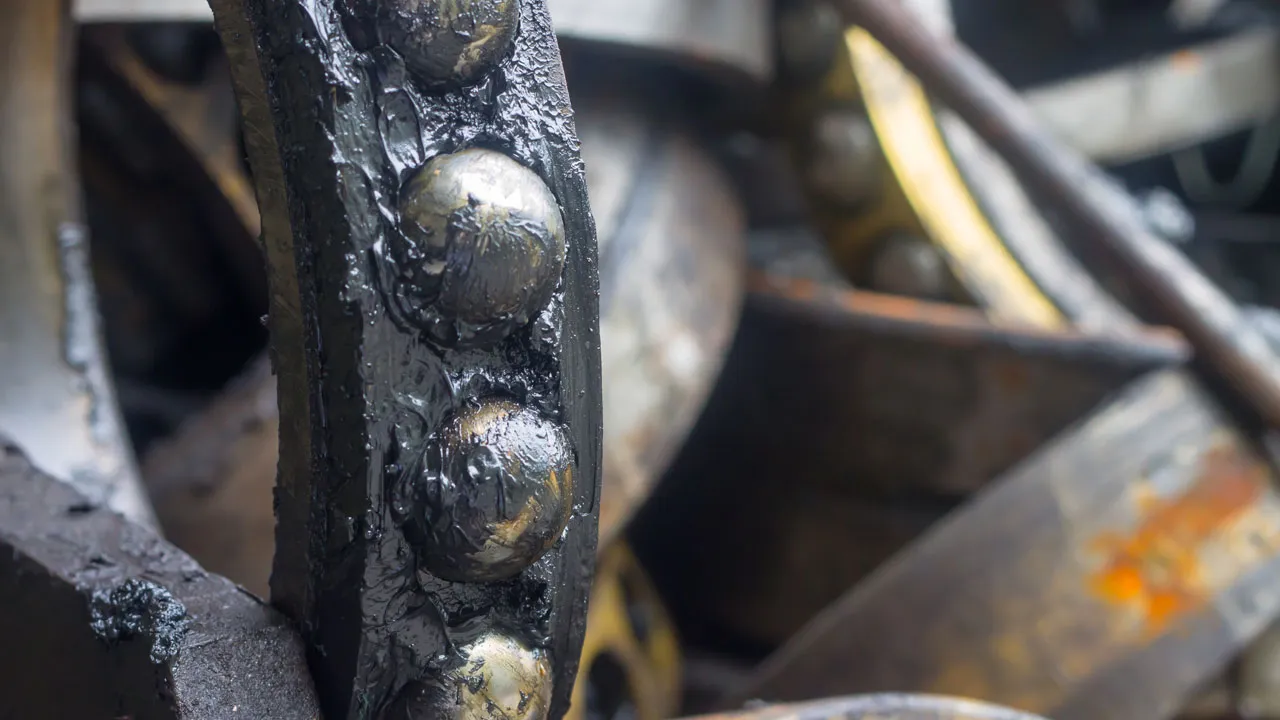
Choosing the right grease is not as simple as it seems. But you do not need to study lubrication engineering from the beginning. Just focus on a few key checkpoints to avoid most risks.
Part 1. Mixing Greases Is Riskier Than You Think
Grease has two parts: base oil and thickener. Base oil does the lubricating. Thickener keeps the base oil inside the bearing.
Different greases use different thickener types. When two incompatible greases mix, the structure breaks down. The grease either becomes too soft and leaks out, or too hard to flow. Either way, the bearing loses protection.
Color and brand cannot tell you if two greases are compatible. You need to check the base oil type and thickener type of both greases before mixing.
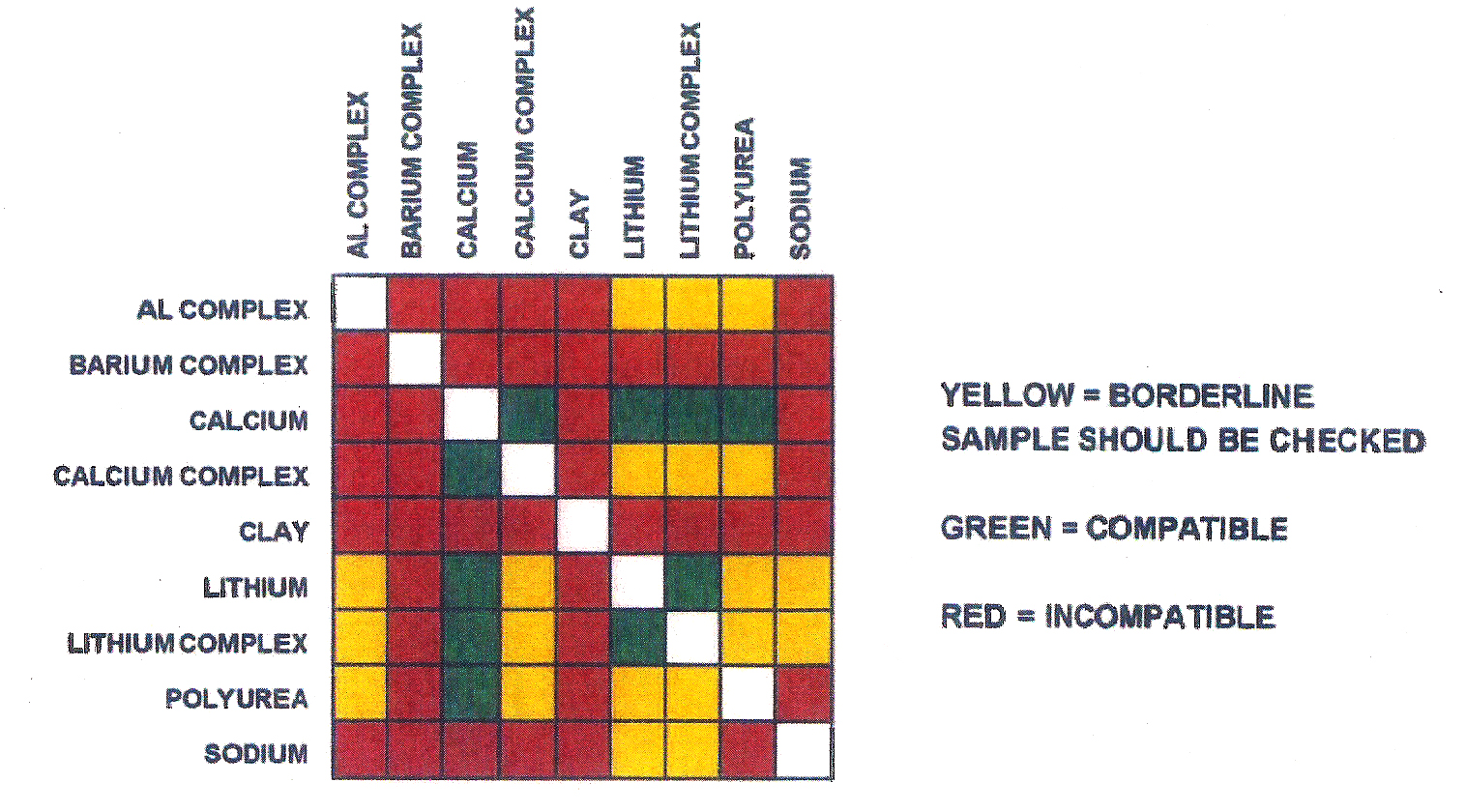
Source: Industry-standard Grease Thickener Compatibility Matrix (commonly referenced in NLGI technical guidelines and lubrication engineering resources)
Part 2: Changing Temperatures Require Changing Greases
Standard grease works well in normal warehouse conditions. But when temperature goes outside its working range, performance drops suddenly. Not gradually.
In cold storage (-18°C to -25°C), grease hardens and stops flowing. At startup, the oil film cannot form in time. Metal touches metal — from the very first second. There is no alarm. The damage builds up silently. You only notice it when the machine stops.
In high-temperature conditions, base oil evaporates and breaks down over time. By the time the bearing shows a problem, the protection is already gone.
If the operating temperature changes, always check if your current grease is still suitable.
Part 3. More Grease Is Not Safer
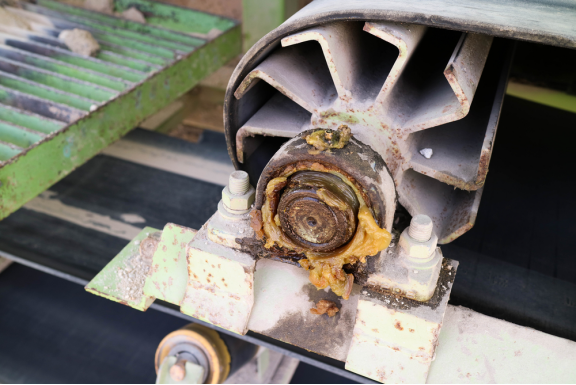
Too much grease causes problems. When the bearing spins, extra grease gets churned around. This creates heat. Heat speeds up grease breakdown. The result is the same as having too little grease — just slower.
As a general guide:
| Operational Speed | Recommended Grease Fill Volume |
| High-Speed Conditions | Fill approximately 20% to 30% of the cavity |
| Low-Speed Conditions | Can be filled higher, depending on the sealing structure |
Application Engineering Support:
The exact grease volume can be calculated scientifically based on your specific bearing geometry and RPM. If you need help with this optimization, feel free to contact us.

THB Bearing
Professor
Infomation
Tags
Published
Author
Share
Contents
Subscribe to THB Blog
Stay connected with THB
and receive new Blog posts in your inbox