Manufacturing Is Changing: What We're Seeing

THB customer insights reveal four connected shifts reshaping manufacturing: automation becoming a necessity due to labor shortages, warehouses evolving into Takt time production extensions, flexibility as a core design principle for high-mix environments, and reliability rising as the top priority to minimize downtime. The new direction is balancing efficiency with resilience.
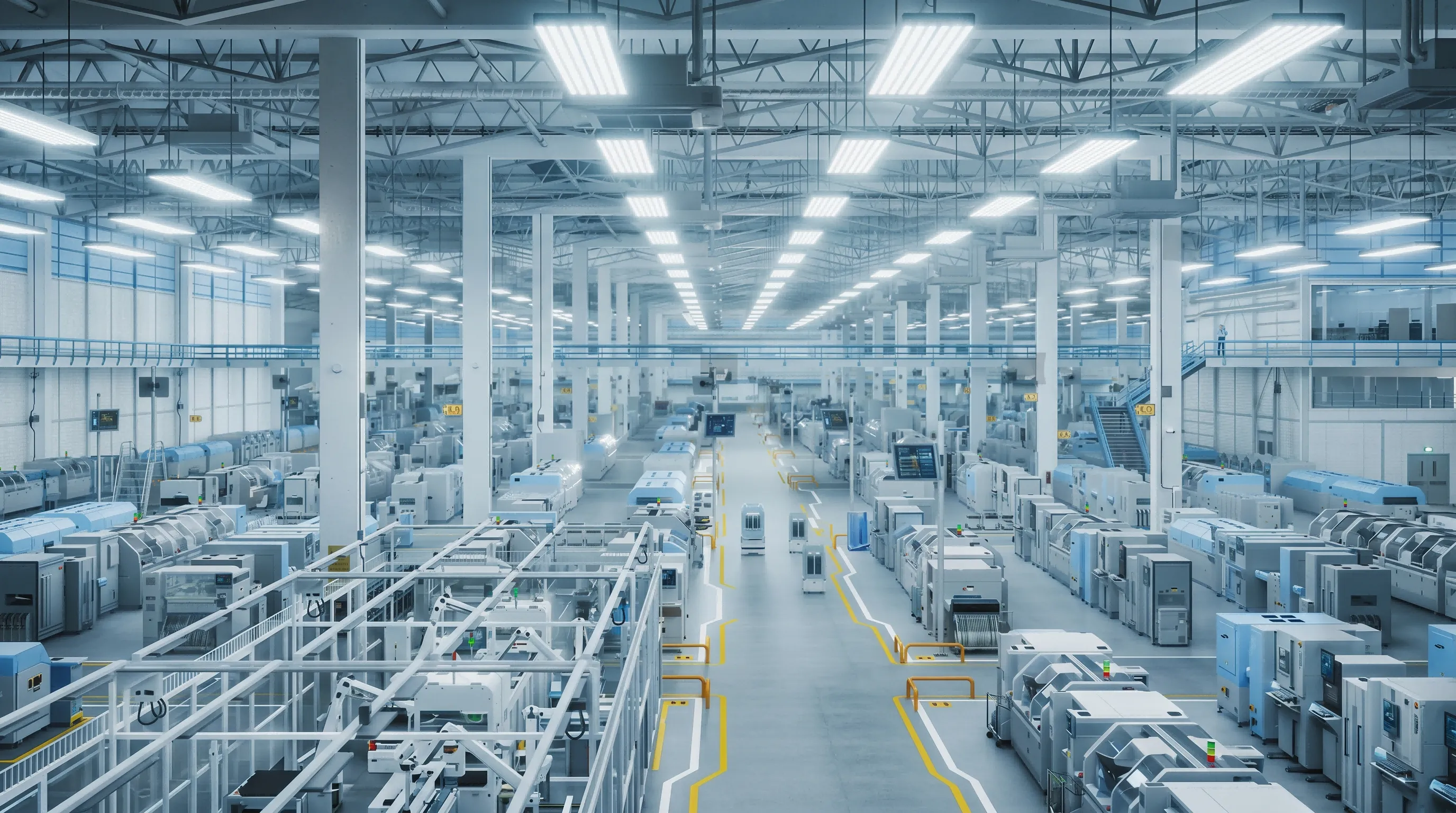
Factories are more advanced and more automated than ever. But the questions factory managers are asking today look quite different from those of a decade ago.
Through conversations with customers in different industries, THB has observed a clear trend: the competitive logic of manufacturing is quietly changing.
Automation: From Option to Necessity
Automation was once adopted mainly to:
l Reduce costs
l Improve efficiency
Now, new drivers have been added:
l Labor is harder to find
l Workforce turnover is high
These pressures have turned automation from a competitive advantage into a basic operational requirement. Its value is shifting — from efficiency to continuity.
The Warehouse Is No Longer Just a Warehouse
Traditional view: warehouse = storage.
In more and more factories, that is changing. Warehousing now operates around Takt Time, with one clear purpose:
l The right quantity
l To the right workstation
l At the right time
The warehouse is becoming part of the production line, not separate from it.
Flexibility Is Becoming a Core Design Principle
More manufacturers are facing the same reality:
l High mix, low volume
l Frequent product changes
In this environment, "can the system adapt fast enough?" matters as much as "is the system efficient enough?"
Some companies are adopting modular conveyors, AMRs, and reconfigurable systems. The trade-off: some efficiency, in exchange for adaptability and longer system life.
Reliability Is the New Priority
Higher automation means higher system interdependency. One failure can affect the entire line.
We've observed a shift in cost priorities:
l Previously → labor costs, energy costs
l Increasingly → downtime costs
Predictive maintenance, condition monitoring, and reliability engineering are all moving up the list.
Four Shifts, One Direction
These changes are connected. They point to the same trend:
Manufacturing is shifting — from optimizing efficiency alone, toward balancing efficiency with resilience.
How to stay flexible while remaining stable will be a defining challenge for manufacturers in the years ahead.

THB Bearing
Professor
Infomation
Tags
Published
Author
Share
Contents
Subscribe to THB Blog
Stay connected with THB
and receive new Blog posts in your inbox