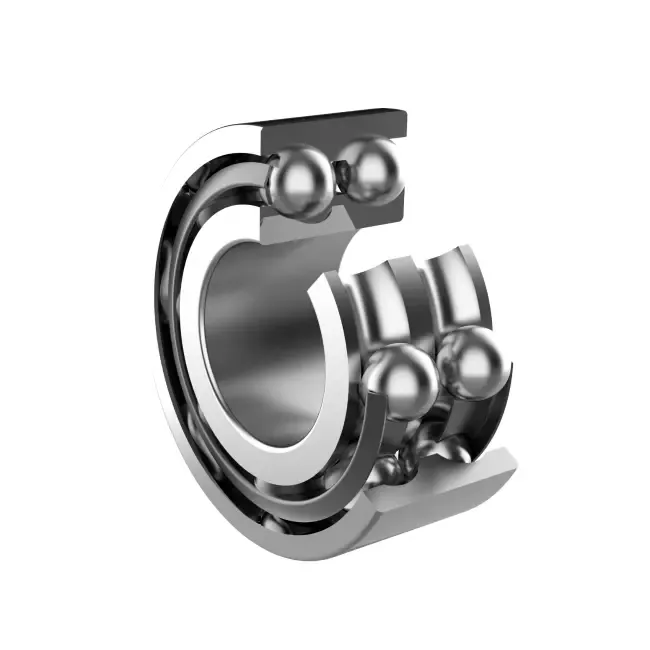
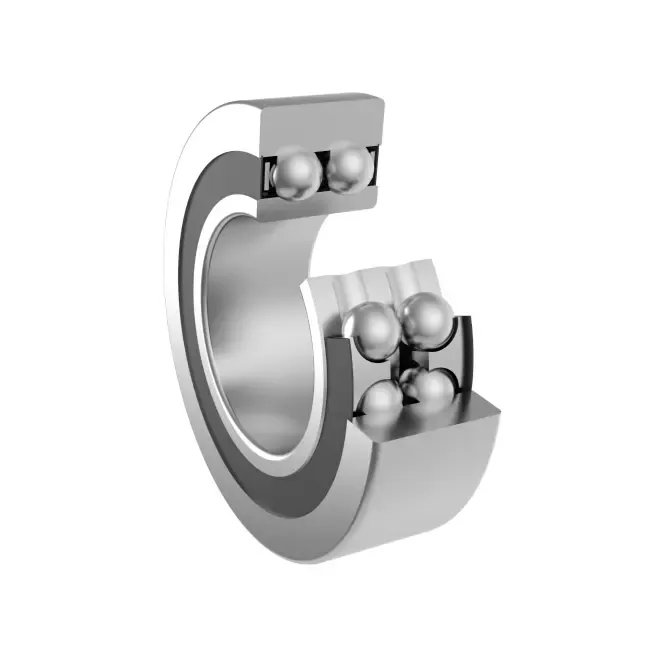
Paint lines use strong solvents and cleaners that can attack bearing seals and internal materials.
Industry Insights
Automotive Manufacturing Equipment Bearing Insights
Quality is written into the process before it shows up in the finished part.
Early failure does not usually start on the day the bearing is installed. Material, process, and measurement can change the product earlier. Below are five steps. Each step says what we control, and what that means for you. The proof is in the pictures.
View More


Reliability Begins with Understanding the Application
When a customer asks us for a bearing quotation, we do not always quote right away. We often ask one more question: “What conditions is your equipment running in?” A part number tells us what the bearing is. It does not tell us what the bearing will face in the machine. At THB, we believe reliability begins with understanding the application. Because the same bearing can perform very differently in different applications. Discover why THB starts with the application — and how we find the right bearing solution.
View More
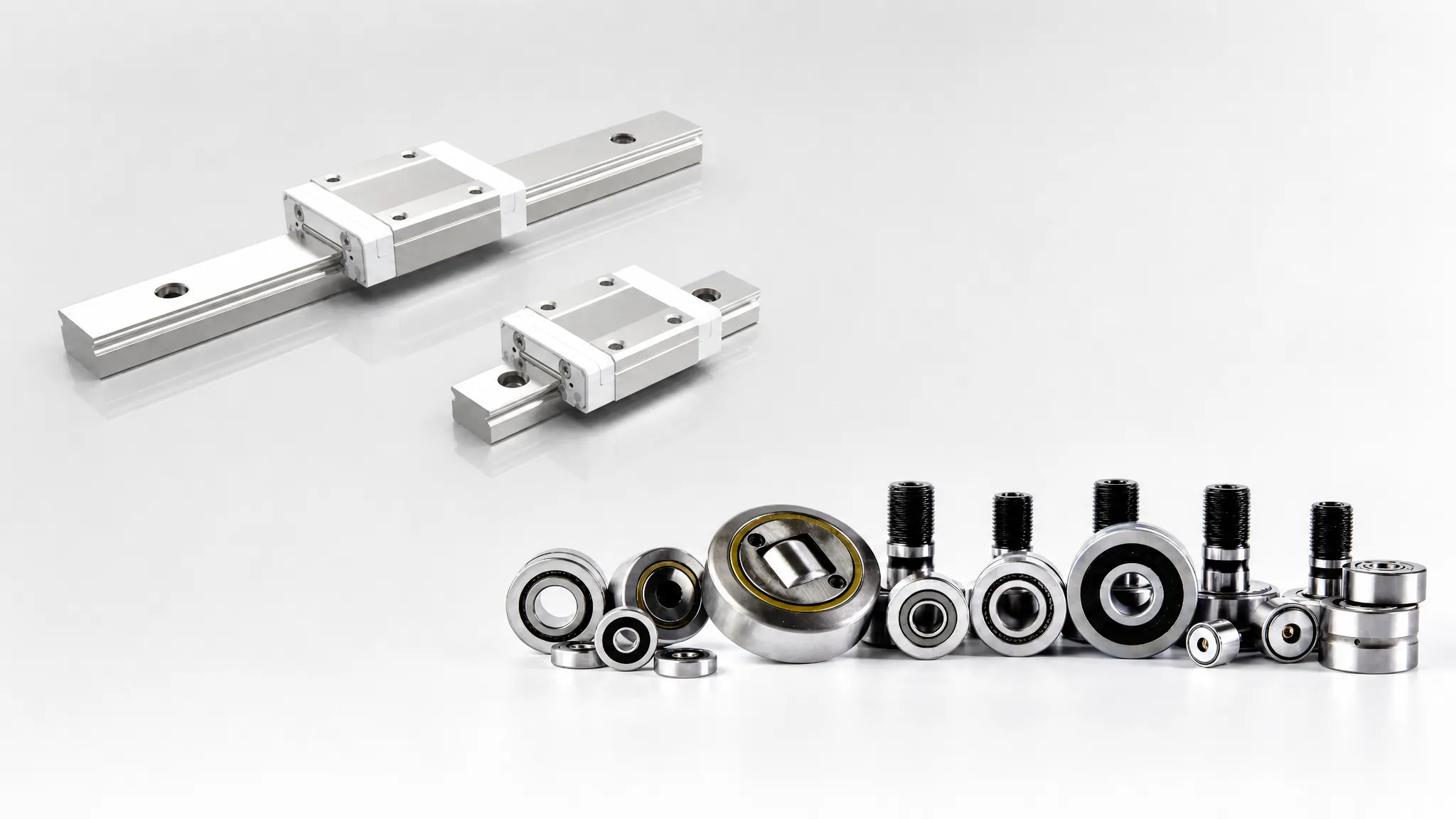
Linear Guide vs. Track Roller: No Better Option, Only the Best Fit
This article compares recirculating linear guides and track rollers, clarifying that neither technology is universally better—each fits specific working conditions. Linear guides offer micron-level precision and rigidity for clean, short-stroke applications, while track rollers thrive in contaminated, cost-sensitive, and cam-driven environments. A four-step decision tree, application table, and four hybrid case studies show how combining both often delivers the optimal solution.
View More
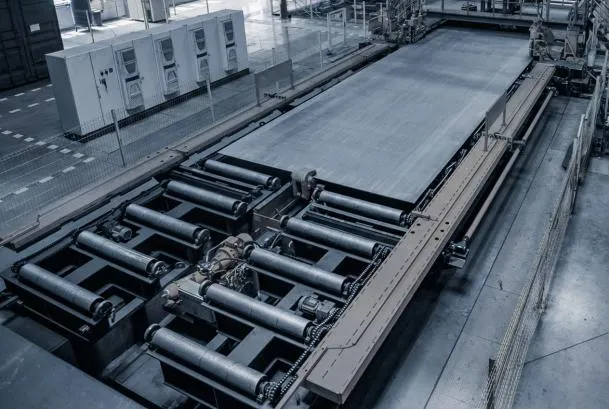
2026-04-30
Bearing Problems in Stamping Lines #01
Eccentric loading in stamping lines causes bearings to fail prematurely. Offset loads, impact, and roller misalignment create edge stress concentration, leading to spalling, heat, vibration, and unplanned downtime.
View More
2026-04-30
Bearing Problems in Stamping Lines #01
Eccentric loading in stamping lines causes bearings to fail prematurely. Offset loads, impact, and roller misalignment create edge stress concentration, leading to spalling, heat, vibration, and unplanned downtime.
View More
2026-04-30
Bearing Problems in Stamping Lines #01
Eccentric loading in stamping lines causes bearings to fail prematurely. Offset loads, impact, and roller misalignment create edge stress concentration, leading to spalling, heat, vibration, and unplanned downtime.
View More