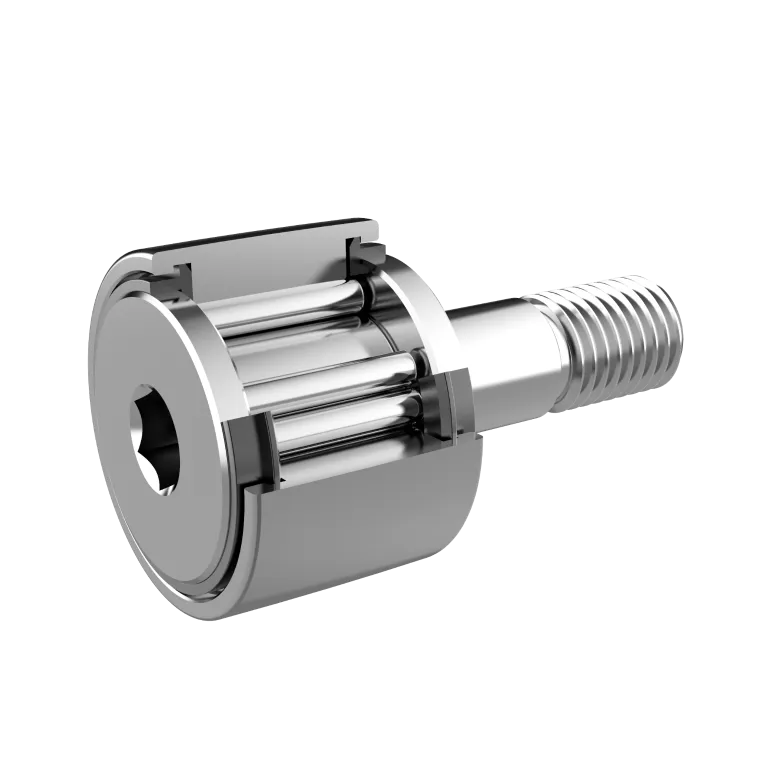
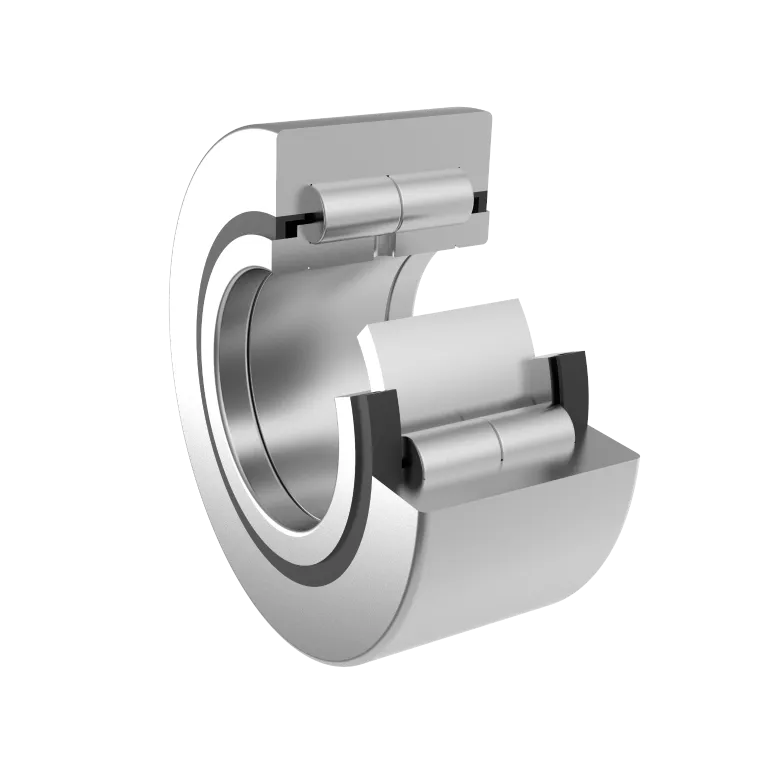
Yoke type track rollers can withstand high radial loads, and those with a convex crown profile on the outer surface generatrix can also withstand axial loads caused by minor misalignment defects, skewed running or short-term shocks.
Track rollers bearing has the thick-walled outer ring, which can not only withstand high radial loads, but also reduce deformation and bending stress.
Talk to THB
Yoke type track rollers can withstand high radial loads, and those with a convex crown profile on the outer surface generatrix can also withstand axial loads caused by minor misalignment defects, skewed running or short-term shocks.

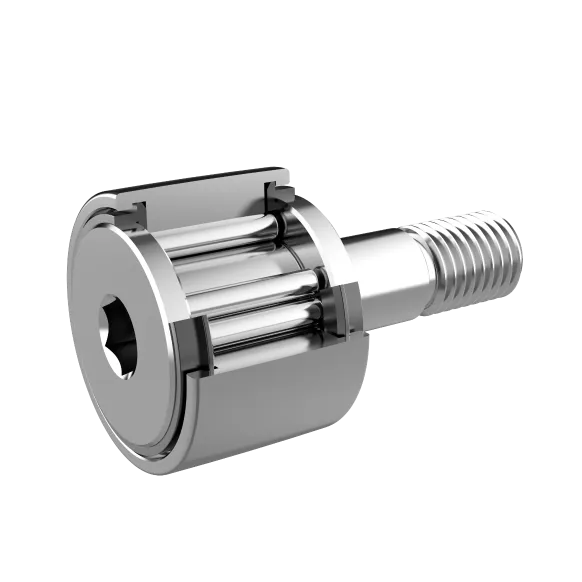
The stud type track roller replaces the inner ring with a supporting bolt, using needle or cylindrical rollers as rolling elements. The bolt features installation threads, hex socket ends, and an internal re-lubrication circuit. An optional eccentric locking collar allows adjustment of the outer ring surface for optimal contact with the supporting track.

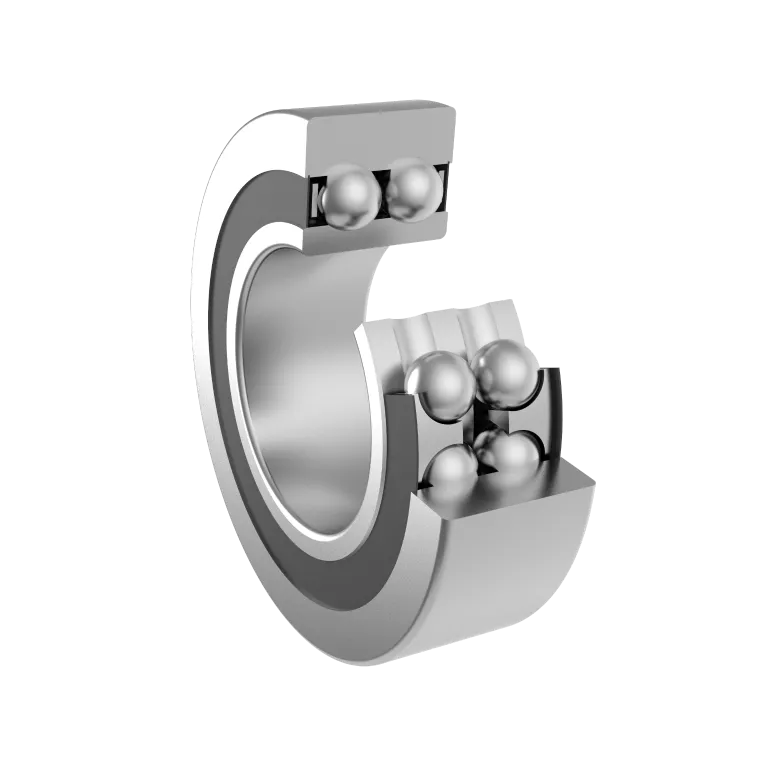
Ball bearing track rollers share the design of deep groove or angular contact ball bearings, but feature thicker outer rings with a convex crown profile. They withstand high radial and bidirectional axial loads and are properly enclosed. Both bolt-type and boltless variants are available, with boltless rollers mounted on shafts or bolts.

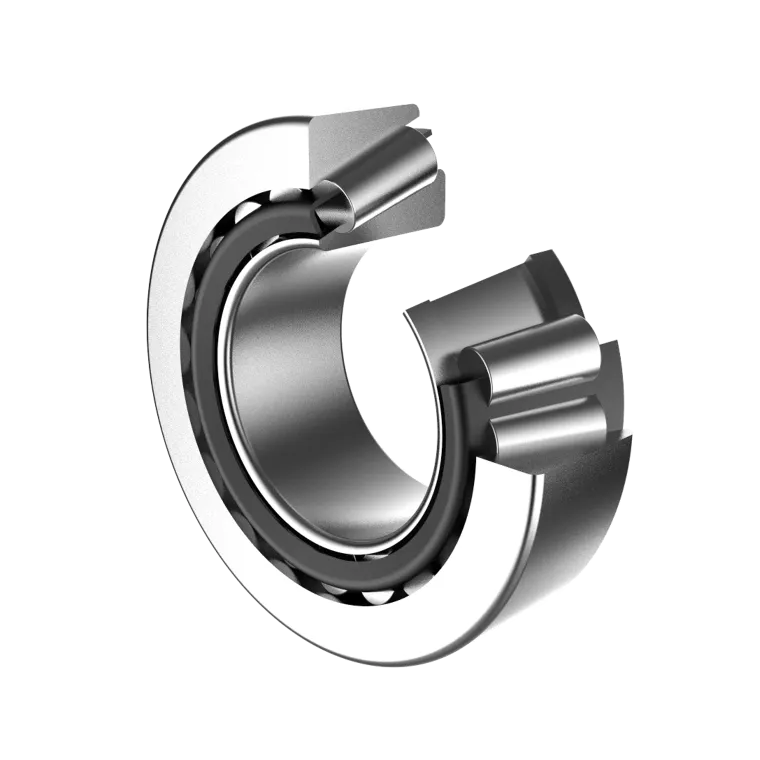
Combined bearings integrate an axial roller bearing and a radial roller bearing into a compact unit, enabling easy bolt-welded assembly at low manufacturing cost. They are properly sized to sustain large radial and axial loads, with easily replaceable components. THB's optimized internal design ensures uniform load distribution across the supporting track. These bearings are primarily used in gantry lifting systems, conveyors, and similar applications.