Why Do Cam Followers Fail?

Cam followers fail due to four main causes: insufficient lubrication, contamination from foreign particles, improper installation or misalignment, and overloading beyond rated capacity. Preventing failures requires regular lubrication, effective sealing, correct installation, and proper load selection to ensure long-term reliability.
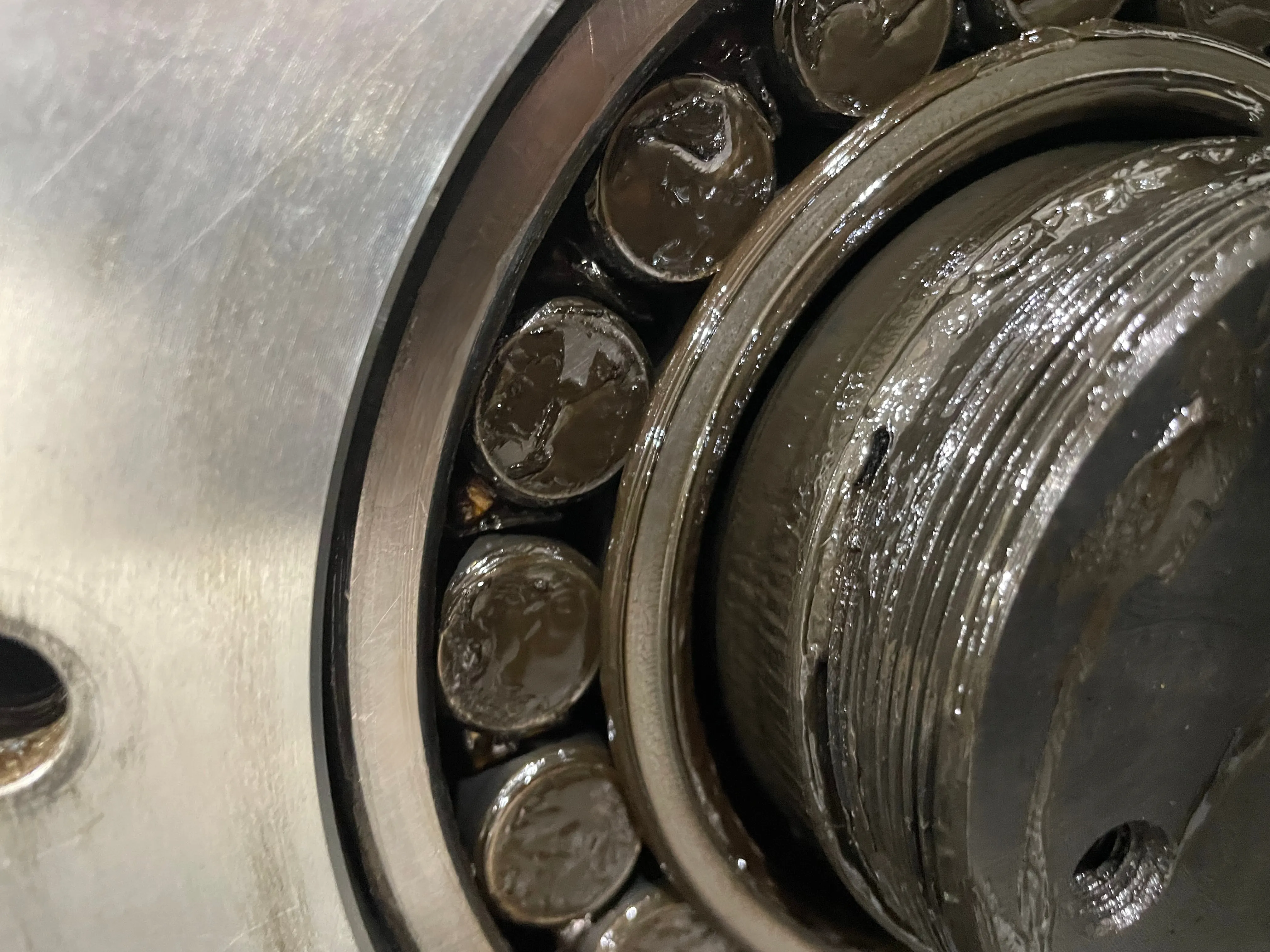
Cam followers are essential components in various mechanical systems, providing reliable and controlled motion along cam or track surfaces. However, like any mechanical component, cam followers can experience failures. Understanding the reasons behind these failures is crucial for ensuring the longevity and optimal performance of the system. In this article, we'll explore the common factors that contribute to cam follower failures and provide insights on how to mitigate them. So, let's delve into the world of cam followers and uncover why they sometimes fail.
Insufficient Lubrication for Cam Followers
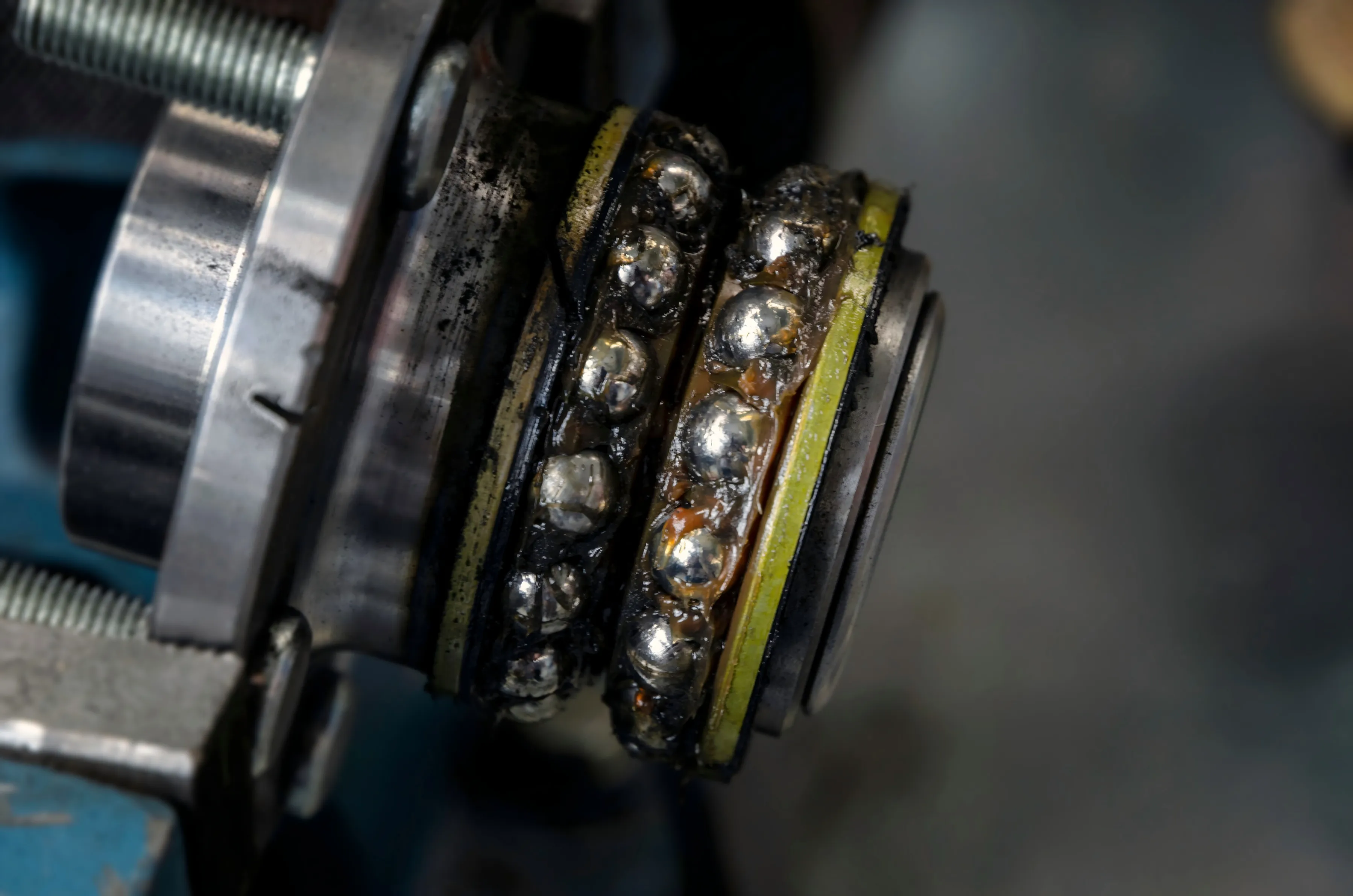
One of the primary reasons for cam follower failures is insufficient lubrication. Cam followers operate under high loads and intense friction, causing excessive heat generation. Adequate lubrication is vital for reducing friction, dissipating heat, and preventing wear and damage to the bearing surfaces. Insufficient lubrication can lead to increased friction, accelerated wear, and ultimately, premature failure of the cam follower.
To avoid this issue, it is essential to use the recommended lubricant and ensure regular lubrication intervals. Proper lubrication will help maintain a protective film between the bearing surfaces, reducing friction and extending the service life of the cam follower.
Cam Followers has Contamination and Foreign Particles
Contamination and the presence of foreign particles can also contribute to cam follower failures. Dust, dirt, debris, and other contaminants can enter the system and become trapped between the cam follower and the cam or track surface. This can lead to increased friction, abrasion, and wear.
To mitigate this risk, it is crucial to implement effective sealing mechanisms to prevent the ingress of contaminants. Regular cleaning and maintenance of the system are also necessary to remove any accumulated debris or particles that could potentially cause damage.
Inadequate Installation and Misalignment of Cam Followers
Improper installation and misalignment are significant factors that can lead to cam follower failures. When a cam follower is not correctly installed or aligned with the cam or track surface, it can experience excessive loads, increased friction, and uneven wear.
During installation, it is important to follow the manufacturer's guidelines and ensure proper alignment of the cam follower with the cam or track surface. Additionally, regular inspections should be conducted to identify and rectify any misalignment issues that may arise over time.
Overloading and Excessive Loads
Subjecting a cam follower to overloading and excessive loads can significantly impact its performance and lifespan. Cam followers have load capacity limits, and exceeding these limits can lead to deformation, fatigue, and ultimately, failure of the component.
It is crucial to accurately calculate and consider the expected loads and operating conditions when selecting a cam follower. Choosing a cam follower with the appropriate load capacity for the application will help prevent overloading and ensure its longevity.
Understanding the factors that contribute to cam follower failures is essential for maintaining the reliability and longevity of mechanical systems. Insufficient lubrication, contamination, inadequate installation, misalignment, and overloading are some of the common reasons behind cam follower failures. By addressing these factors and implementing appropriate preventive measures, such as proper lubrication, effective sealing, accurate installation, and load considerations, the risk of cam follower failures can be minimized. Remember, proactive maintenance and adherence to manufacturer guidelines are key to ensuring the optimal performance and durability of cam followers in your applications.

THB Bearing
Professor
Infomation
Tags
Published
Author
Share
Contents
Subscribe to THB Blog
Stay connected with THB
and receive new Blog posts in your inbox