What Is the Proper Usage of Crossed Roller Bearing Grease?

Proper grease lubrication is essential for crossed roller bearing performance. Grease reduces friction, prevents metal contact, and suppresses noise. Avoid mixing grease types, always clean before replacement, and select seasonally appropriate grease. Strict cleanliness and proper storage are critical to prevent contamination and deterioration.
1. Purpose and Function of Lubricating Grease
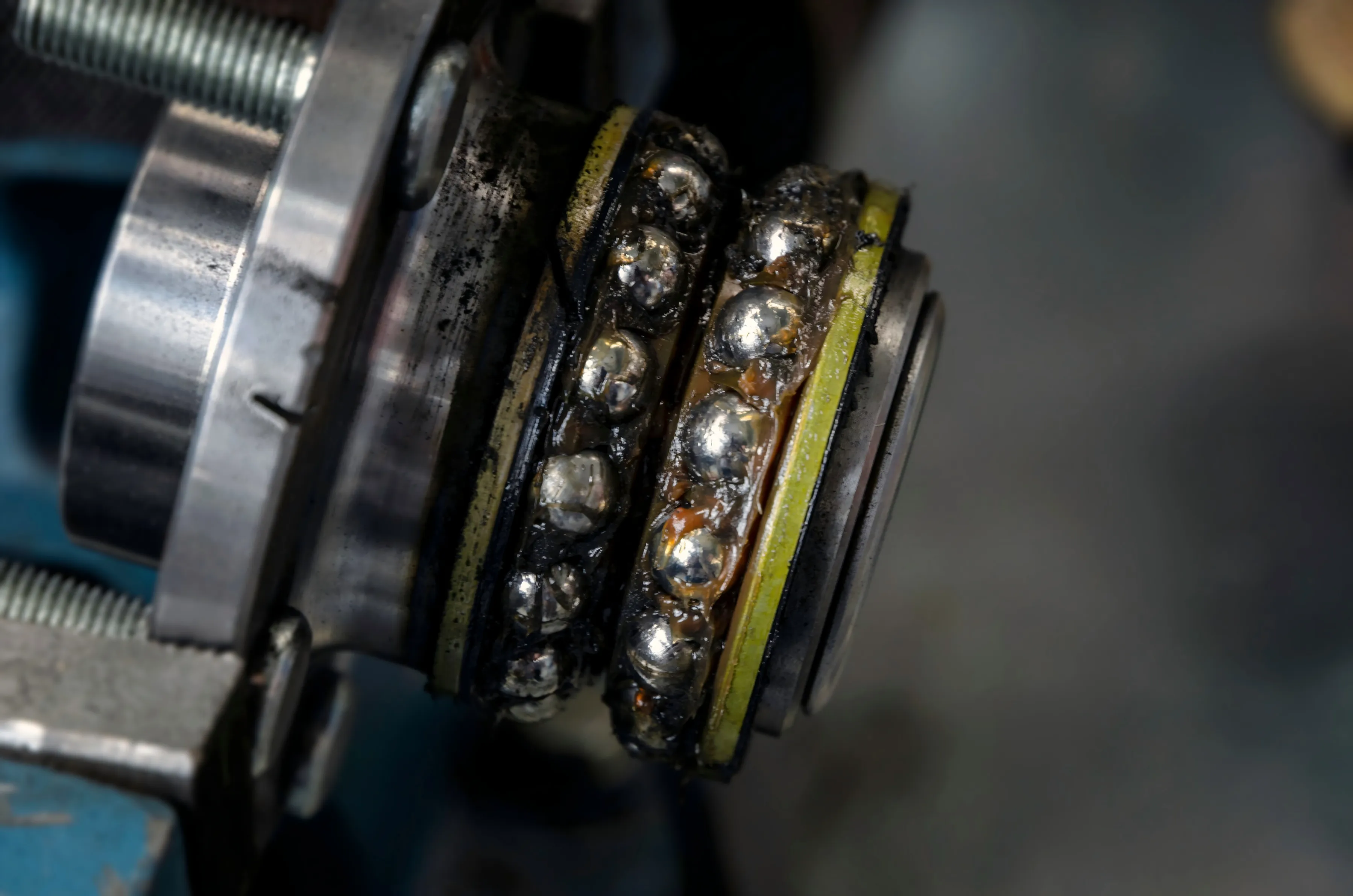
Crossed roller bearings use lubricating grease, a thick semi-solid substance that serves as both a lubricant and a sealant for the frictional parts of the bearing. Grease fills gaps on metal surfaces, prevents rust, and forms a thin lubricating film between rolling and sliding surfaces to:
Reduce friction and wear
Prevent metal-to-metal contact
Avoid seizure
Suppress noise and vibration
High-quality grease and proper lubrication methods are crucial for bearing performance, especially in industrial robots and precision equipment.
2. Proper Grease Amount and Application
The correct amount is generally 1/3 to 1/2 of the bearing’s clearance volume.
Excessive grease increases friction and temperature; insufficient grease causes dry friction and unreliable lubrication.
Grease can be applied to the edge of the bearing for cavity lubrication if needed.
Regular addition and timely replacement of grease should be based on operating conditions to ensure reliable lubrication.
3. Grease Quality, Replacement, and Seasonal Management
Avoid mixing different types, grades, or old and new greases.
When replacing grease, remove old grease and clean components before adding new grease. Test new grease before formal use.
For equipment exposed to large seasonal temperature differences, use appropriate summer or winter grease to avoid counterproductive results.
4. Cleanliness, Storage, and Process Control
Maintain strict cleanliness of containers, tools, and grease supply ports to prevent contamination by dust, sand, or mechanical impurities.
Store grease in cool, dry places, avoiding wooden or paper containers that may cause hardening, water contamination, or deterioration.

THB Bearing
Professor
Infomation
Tags
Published
Author
Share
Contents
Subscribe to THB Blog
Stay connected with THB
and receive new Blog posts in your inbox