Dealing with CIP Corrosion: Is Your Bearing Seal Right?#02

Selecting the Best Seals for Beverage Lines(Part 2: Decision Guide)
01. Technical Comparison Matrix
The following table summarizes the key performance metrics for selecting seal materials:
| Feature | EPDM | FKM (Viton) | HNBR | HPU |
| Hot Water & Steam | ★★★★★ | ★★★★☆ | ★★★☆☆ | ★★★★☆ (≤80°C) |
| Grease & Oil | Incompatible | ★★★★★ | ★★★★★ | ★★★☆☆ |
| CIP Resistance | ★★★★☆ | ★★★★★ | ★★★☆☆ | ★★★★☆ |
| Max Temp | ~130°C | ~200°C | ~150°C | ~80-90°C |
| Abrasion | ★★★☆☆ | ★★★☆☆ | ★★★★☆ | ★★★★★ |
| Relative Cost | Low | High | Medium | Med-High |
02. Industry Adoption Analysis
Based on industry experience, the frequency of use for these materials is ranked below:
| Material | Frequency | Core Reason |
| EPDM | Highest | Default for steam/water zones; cost-effective. / |
| FKM | Standard High-End | Essential for fruit acid and alcohol filling. |
| HNBR | Specialized | Solves grease-retention needs in bearings. |
| HPU | Emerging | Growing use in high-pressure washdown areas. |
03. FAQ
Q1: How should I choose the sealing material if the bearing is lubricated with grease?
A: In beverage filling units, if grease is used, you must exclude EPDM immediately, as it will swell and fail upon contact with mineral oils. We recommend using HNBR or FKM to ensure long-term reliability.
Q2: Which material provides the best resistance to aggressive CIP cleaning agents?
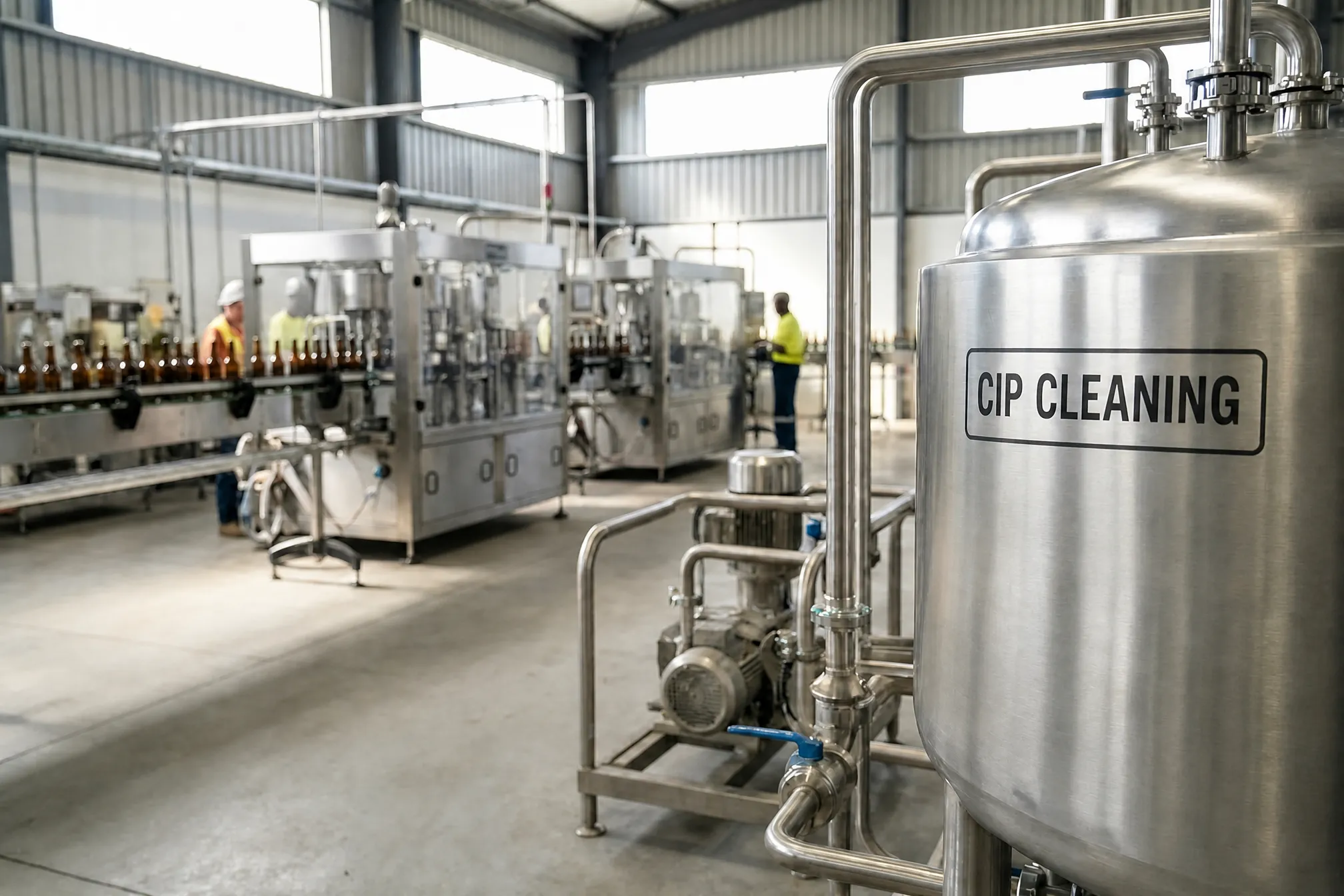
A: FKM is the premier choice for handling the strong acids and alkalis used in CIP processes. However, in oil-free (water-only) zones, EPDM is an excellent, cost-effective alternative with superior steam resistance.
Q3: What is the recommended sealing solution for environments exceeding 150°C?
A: For extreme heat in filling stations, FKM is the only reliable elastomeric option as it remains stable up to 200°C. HNBR should not be used above 150°C to prevent premature hardening and failure.
Q4: What should I do if my seals frequently fail due to physical abrasion or high-pressure washdowns?
A: If your seals are failing prematurely due to abrasion or intense CIP spray, we recommend upgrading to HPU. Its exceptional mechanical strength is specifically engineered to handle the harsh conditions of beverage lines.

THB Bearing
Professor
Infomation
Tags
Published
Author
Share
Contents
Subscribe to THB Blog
Stay connected with THB
and receive new Blog posts in your inbox