[Industry Focus]
[Insights]
Linear Guide vs. Track Roller: No Better Option, Only the Best Fit
This article compares recirculating linear guides and track rollers, clarifying that neither technology is universally better—each fits specific working conditions. Linear guides offer micron-level precision and rigidity for clean, short-stroke applications, while track rollers thrive in contaminated, cost-sensitive, and cam-driven environments. A four-step decision tree, application table, and four hybrid case studies show how combining both often delivers the optimal solution.
[Industry Focus]
[Insights]
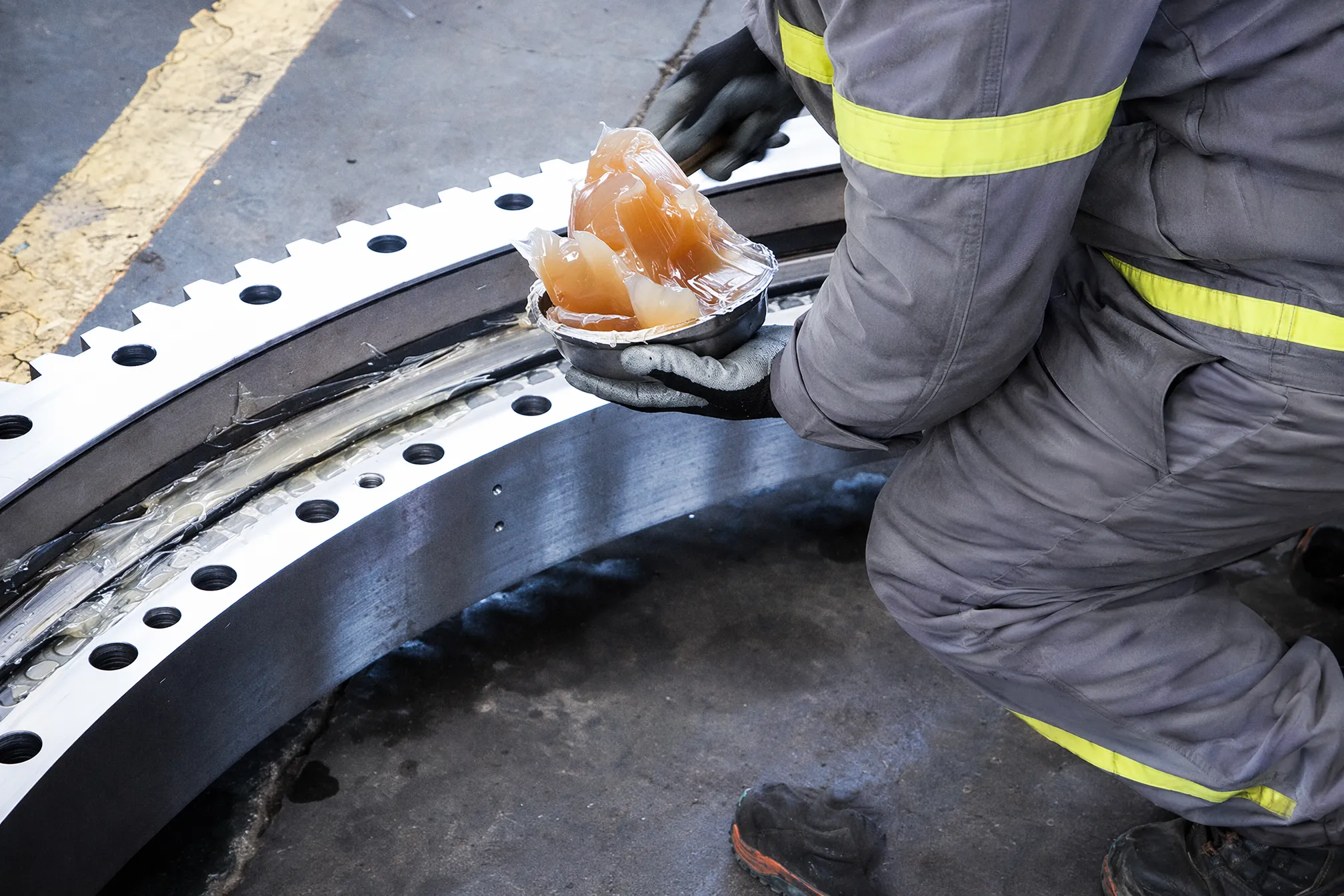
Beyond Specifications: What Else Drives Slewing Bearing Stability?
In technical catalogs, a slewing bearing is defined by loads and specifications. On the job site, however, it is the machine's critical, irreplaceable pivot. Replacing a failed bearing requires complex teardown, causing costly downtime that far exceeds the part's price. Following factory greasing schedules and matching bearings to real-world operating environments—like dust, salt spray, or precision vibration—is key to preventing early failure and maximizing equipment uptime.
[Industry Focus]
[Insights]
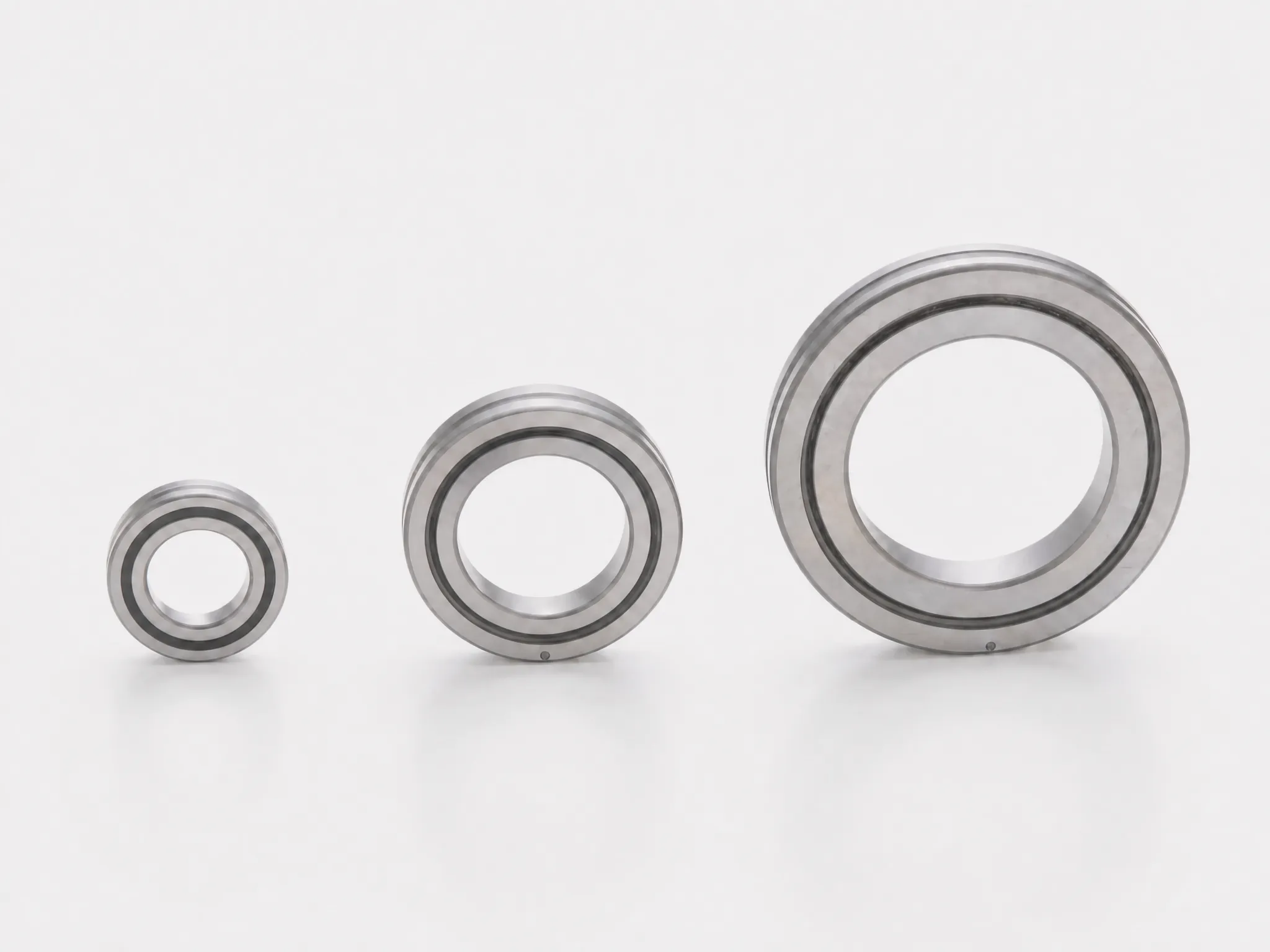
How to Choose the Right Crossed Roller Bearing?A Practical 5-Step Guide
Crossed roller bearings combine radial, axial, and moment load capacity in a single compact unit. Choosing the right model comes down to five decisions — size, structural type, mounting method, load rating, and precision grade — followed by careful attention to installation details that determine whether the bearing performs as designed.
[Industry Focus]
[Insights]
Split Bearing Solution Cuts Wind Turbine Downtime by 80%
When a 1.5MW wind turbine faced sudden bearing failure ,downtime and costs could have soared.
THB's split bearing solution changed this situation!
The bearing was replaced in just 24 hours without a crane.
The result: 80% less downtime and over 50% cost savings.
[Industry Focus]
[Insights]
THB Brand Refresh | New Logo Launched
THB has a new brand identity. Here is what it stands for.
Three rings. Three stages. One way of working.
Needs → Solutions → Products.